
STOCK MARKET-- KNOWLEDGE FINANCIAL GROUP // KNOWLEDGEFINANCIALGROUP.COM
STOCK MARKET
The market in which shares are issued and traded either through exchanges or over-the-counter markets. Also known as the equity market, it is
one of the most vital areas of a market economy as it provides companies with access to capital and investors with a slice of ownership in the
company and the potential of gains based on the company's future performance.
This market can be split into two main sections: the primary and secondary market. The primary market is where new issues are first offered,
with any subsequent trading going on in the secondary market.
The market in which shares are issued and traded either through exchanges or over-the-counter markets. Also known as the equity market, it is
one of the most vital areas of a market economy as it provides companies with access to capital and investors with a slice of ownership in the
company and the potential of gains based on the company's future performance.
This market can be split into two main sections: the primary and secondary market. The primary market is where new issues are first offered,
with any subsequent trading going on in the secondary market.
THE STOCK MARKET
A place where investors can buy and sell stocks of all kind...
A place where investors can buy and sell stocks of all kind...
| MARKET POINT OF VIEW Most stocks are traded on exchanges, which are places where buyers and sellers meet and decide on a price. Some exchanges are physical locations where transactions are carried out on a trading floor. You've probably seen pictures of a trading floor, in which traders are wildly throwing their arms up, waving, yelling, and signaling to each other. The other type of exchange is virtual, composed of a network of computers where trades are made electronically. The purpose of a stock market is to facilitate the exchange of securities between buyers and sellers, reducing the risks of investing. Just imagine how difficult it would be to sell shares if you had to call around the neighborhood trying to find a buyer. Really, a stock market is nothing more than a super-sophisticated farmers' market linking buyers and sellers. Before we go on, we should distinguish between the primary market and the secondary market. The primary market is where securities are created (by means of an IPO) while, in the secondary market, investors trade previously-issued securities without the involvement of the issuing-companies. The secondary market is what people are referring to when they talk about the stock market. It is important to understand that the trading of a company's stock does not directly involve that company. The New York Stock Exchange The most prestigious exchange in the world is the New York Stock Exchange (NYSE). The "Big Board" was founded over 200 years ago in 1792 with the signing of the Buttonwood Agreement by 24 New York City stockbrokers and merchants. Currently the NYSE, with stocks like General Electric, McDonald's, Citigroup, Coca-Cola, Gillette and Wal-mart, is the market of choice for the largest companies in America. |
The NYSE is the first type of exchange (as we referred to above), where much of the trading is done face-to-face on a
trading floor.
This is also referred to as a listed exchange. Orders come in through brokerage firms that are members of the
exchange and flow down to floor brokers who go to a specific spot on the floor where the stock trades.
At this location, known as the trading post, there is a specific person known as the specialist whose job is to match
buyers and sellers.
Prices are determined using an auction method: the current price is the highest amount any buyer is willing to pay and
the lowest price at which someone is willing to sell. Once a trade has been made, the details are sent back to the
brokerage firm, who then notifies the investor who placed the order. Although there is human contact in this process,
don't think that the NYSE is still in the stone age: computers play a huge role in the process
trading floor.
This is also referred to as a listed exchange. Orders come in through brokerage firms that are members of the
exchange and flow down to floor brokers who go to a specific spot on the floor where the stock trades.
At this location, known as the trading post, there is a specific person known as the specialist whose job is to match
buyers and sellers.
Prices are determined using an auction method: the current price is the highest amount any buyer is willing to pay and
the lowest price at which someone is willing to sell. Once a trade has been made, the details are sent back to the
brokerage firm, who then notifies the investor who placed the order. Although there is human contact in this process,
don't think that the NYSE is still in the stone age: computers play a huge role in the process
The Nasdaq
The second type of exchange is the virtual sort called an over-the-counter (OTC) market, of which the Nasdaq is the most popular. These
markets have no central location or floor brokers whatsoever. Trading is done through a computer and telecommunications network of dealers.
It used to be that the largest companies were listed only on the NYSE while all other second tier stocks traded on the other exchanges. The
tech boom of the late '90s changed all this; now the Nasdaq is home to several big technology companies such as Microsoft, Cisco, Intel, Dell
and Oracle. This has resulted in the Nasdaq becoming a serious competitor to the NYSE.
The Nasdaq market site in Times Square
The second type of exchange is the virtual sort called an over-the-counter (OTC) market, of which the Nasdaq is the most popular. These
markets have no central location or floor brokers whatsoever. Trading is done through a computer and telecommunications network of dealers.
It used to be that the largest companies were listed only on the NYSE while all other second tier stocks traded on the other exchanges. The
tech boom of the late '90s changed all this; now the Nasdaq is home to several big technology companies such as Microsoft, Cisco, Intel, Dell
and Oracle. This has resulted in the Nasdaq becoming a serious competitor to the NYSE.
The Nasdaq market site in Times Square
Other Exchanges
The third largest exchange in the U.S. is the American Stock Exchange (AMEX). The AMEX used to be an alternative to the NYSE, but
that role has since been filled by the Nasdaq. In fact, the National Association of Securities Dealers (NASD), which is the parent of
Nasdaq, bought the AMEX in 1998. Almost all trading now on the AMEX is in small-cap stocks and derivatives.
Also remember the S&P-500 (THE STANDARD AND POOR)
-----------------------------------------------------------------------------------------------------------------
OTHER MARKETS
There are many stock exchanges located in just about every country around the world. American markets are undoubtedly the largest, but
they still represent only a fraction of total investment around the globe. The two other main financial hubs are London, home of the
London Stock Exchange, and Hong Kong, home of the Hong Kong Stock Exchange. The Japanese market, The German market, The
Australian market, The last place worth mentioning is the over-the-counter bulletin board (OTCBB). The Nasdaq is an over-the-counter
market, but the term commonly refers to small public companies that don’t meet the listing requirements of any of the regulated markets,
including the Nasdaq. The OTCBB is home to penny stocks because there is little to no regulation. This makes investing in an OTCBB
stock very risky
The third largest exchange in the U.S. is the American Stock Exchange (AMEX). The AMEX used to be an alternative to the NYSE, but
that role has since been filled by the Nasdaq. In fact, the National Association of Securities Dealers (NASD), which is the parent of
Nasdaq, bought the AMEX in 1998. Almost all trading now on the AMEX is in small-cap stocks and derivatives.
Also remember the S&P-500 (THE STANDARD AND POOR)
-----------------------------------------------------------------------------------------------------------------
OTHER MARKETS
There are many stock exchanges located in just about every country around the world. American markets are undoubtedly the largest, but
they still represent only a fraction of total investment around the globe. The two other main financial hubs are London, home of the
London Stock Exchange, and Hong Kong, home of the Hong Kong Stock Exchange. The Japanese market, The German market, The
Australian market, The last place worth mentioning is the over-the-counter bulletin board (OTCBB). The Nasdaq is an over-the-counter
market, but the term commonly refers to small public companies that don’t meet the listing requirements of any of the regulated markets,
including the Nasdaq. The OTCBB is home to penny stocks because there is little to no regulation. This makes investing in an OTCBB
stock very risky
BUYING STOCKS
You've now learned what a stock is and a little bit about the principles behind the stock market, but how do you actually go about buying
stocks? Thankfully, you don't have to go down into the trading pit yelling and screaming your order. There are two main ways to purchase stock:
1. Using a Brokerage
The most common method to buy stocks is to use a brokerage. Brokerages come in two different flavors. Full-service brokerages offer you
(supposedly) expert advice and can manage your account; they also charge a lot. Discount brokerages offer little in the way of personal
attention but are much cheaper.
At one time, only the wealthy could afford a broker since only the expensive, full-service brokers were available. With the internet came the
explosion of online discount brokers. Thanks to them nearly anybody can now afford to invest in the market.
2. DRIPs & DIPs
Dividend reinvestment plans (DRIPs) and direct investment plans (DIPs) are plans by which individual companies, for a minimal cost, allow
shareholders to purchase stock directly from the company. Drips are a great way to invest small amounts of money at regular intervals.
Next: Stocks Basics: How to Read A Stock Table/Quote
You've now learned what a stock is and a little bit about the principles behind the stock market, but how do you actually go about buying
stocks? Thankfully, you don't have to go down into the trading pit yelling and screaming your order. There are two main ways to purchase stock:
1. Using a Brokerage
The most common method to buy stocks is to use a brokerage. Brokerages come in two different flavors. Full-service brokerages offer you
(supposedly) expert advice and can manage your account; they also charge a lot. Discount brokerages offer little in the way of personal
attention but are much cheaper.
At one time, only the wealthy could afford a broker since only the expensive, full-service brokers were available. With the internet came the
explosion of online discount brokers. Thanks to them nearly anybody can now afford to invest in the market.
2. DRIPs & DIPs
Dividend reinvestment plans (DRIPs) and direct investment plans (DIPs) are plans by which individual companies, for a minimal cost, allow
shareholders to purchase stock directly from the company. Drips are a great way to invest small amounts of money at regular intervals.
Next: Stocks Basics: How to Read A Stock Table/Quote
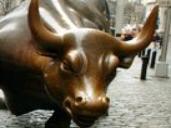
THE BULLS, THE BEARS, AND THE FARM MARKE TO Wall Street, the bulls and bears are in a constant struggle. If you
haven't heard of these terms already, you undoubtedly will as you begin to invest.
-The Bulls Market-
A bull market is when everything in the economy is great, people are finding jobs, gross domestic product (GDP) is growing, and stocks are
rising. Things are just plain rosy! Picking stocks during a bull market is easier because everything is going up. Bull markets cannot last forever
though, and sometimes they can lead to dangerous situations if stocks become overvalued. If a person is optimistic and believes that stocks will
go up, he or she is called a "bull" and is said to have a "bullish outlook".
-The Bears Market-
A bear market is when the economy is bad, recession is looming and stock prices are falling. Bear markets make it tough for investors to pick
profitable stocks. One solution to this is to make money when stocks are falling using a technique called short selling. Another strategy is to wait
on the sidelines until you feel that the bear market is nearing its end, only starting to buy in anticipation of a bull market. If a person is
pessimistic, believing that stocks are going to drop, he or she is called a "bear" and said to have a "bearish outlook".
The Other Animals on the Farm - Chickens and Pigs
Chickens are afraid to lose anything. Their fear overrides their need to make profits and so they turn only to money-market securities or get out of
the markets entirely. While it's true that you should never invest in something over which you lose sleep, you are also guaranteed never to see
any return if you avoid the market completely and never take any risk,
haven't heard of these terms already, you undoubtedly will as you begin to invest.
-The Bulls Market-
A bull market is when everything in the economy is great, people are finding jobs, gross domestic product (GDP) is growing, and stocks are
rising. Things are just plain rosy! Picking stocks during a bull market is easier because everything is going up. Bull markets cannot last forever
though, and sometimes they can lead to dangerous situations if stocks become overvalued. If a person is optimistic and believes that stocks will
go up, he or she is called a "bull" and is said to have a "bullish outlook".
-The Bears Market-
A bear market is when the economy is bad, recession is looming and stock prices are falling. Bear markets make it tough for investors to pick
profitable stocks. One solution to this is to make money when stocks are falling using a technique called short selling. Another strategy is to wait
on the sidelines until you feel that the bear market is nearing its end, only starting to buy in anticipation of a bull market. If a person is
pessimistic, believing that stocks are going to drop, he or she is called a "bear" and said to have a "bearish outlook".
The Other Animals on the Farm - Chickens and Pigs
Chickens are afraid to lose anything. Their fear overrides their need to make profits and so they turn only to money-market securities or get out of
the markets entirely. While it's true that you should never invest in something over which you lose sleep, you are also guaranteed never to see
any return if you avoid the market completely and never take any risk,
SUPPLY AND DEMAND
Stock prices change every day as a result of market forces. By this we mean that share prices change because of supply and demand. If more
people want to buy a stock (demand) than sell it (supply), then the price moves up. Conversely, if more people wanted to sell a stock than buy
it, there would be greater supply than demand, and the price would fall.
Understanding supply and demand is easy. What is difficult to comprehend is what makes people like a particular stock and dislike another
stock. This comes down to figuring out what news is positive for a company and what news is negative. There are many answers to this
problem and just about any investor you ask has their own ideas and strategies
Stock prices change every day as a result of market forces. By this we mean that share prices change because of supply and demand. If more
people want to buy a stock (demand) than sell it (supply), then the price moves up. Conversely, if more people wanted to sell a stock than buy
it, there would be greater supply than demand, and the price would fall.
Understanding supply and demand is easy. What is difficult to comprehend is what makes people like a particular stock and dislike another
stock. This comes down to figuring out what news is positive for a company and what news is negative. There are many answers to this
problem and just about any investor you ask has their own ideas and strategies
STOCK MARKET A WAY TO INVEST AND MULTIPLY YOUR MONEY. THESE INDUSTRIES HAVE THOUSANDS OF COMPANIES TO BUY STOCKS FROM:
PETROLEUM, AUTOMOBILE, CONSTRUCTION, REAL ESTATE, PHARMACEUTICAL, ENERGY, ELECTRONIC, RETAIL, BANKING AND FINANCING, COMMUNICATION,
TRANSPORTATION, RESOURCE MINERALS ETC.
PETROLEUM, AUTOMOBILE, CONSTRUCTION, REAL ESTATE, PHARMACEUTICAL, ENERGY, ELECTRONIC, RETAIL, BANKING AND FINANCING, COMMUNICATION,
TRANSPORTATION, RESOURCE MINERALS ETC.
 |  |  |  |  |  |  |  |  |  |
 |  |  |  |  |
 |  |  |  |  |  |  |  |  |
 |  |  |  |  |  |  |  |
 |  |  |  |  |
GENERAL INVESTMENT
STRATEGIES, METHODS, AND
TECHNIQUES. A BETTER WAY
TO BUILD WEALTH! When it
comes to reliable investments,
real estate investing is the best
wealth-builder in the world.
INVESTING / METHOD AND
TECHNIQUES TO INVEST IN
TODAY'S MARKET FOR A
BETTER TOMORROW. -
--AMERICAN BANKING
SYSTEM: BANKING HISTORY;
GREAT THINGS TO KNOW
ABOUT THE AMERICAN
BANKING HISTORY
BANKING AND FINANCE,
COMMERCIAL BANKING: The
fundamental functions of a
commercial bank during the past
two centuries
SAVING: THE SECRETS OF
SAVING; WAYS TO SAVE A LOT
OF MONEY AND GETTING
RICHER. 66 WAYS TO SAVE
MONEY
MONEY MANAGEMENT: Ten
Resolutions to Make Your
Financial Life Easier. 10 Ways to
Avoid Overdraft and Bounced
Check Fees
THE 16 DAYS THAT SHOOCK
THE US ECONOMY IN
SEPTEMBER, 2008. A shocking
series of events that forever
changed the financial markets.
AMERICA’S MONEY CRISIS /
Bailout 101: What new law says.
Here's a rundown of key provisions
of the financial rescue plan that
United State Senate voted,
Wednesday October 1; and the
house voted Friday October 3,
2008.
FORTUNE, CREATION AND
INTRODUCTION: When you
invest in stock, you buy ownership
shares in a company. Before You
Invest; Before undertaking any
investment program, it is critical
that you assess your current
situation and form goals.
Evaluating a Stock, Creating an
Emergency Fund --
STOCK MARKET: A WAY TO
INVEST AND MULTIPLY YOUR
MONEY. THE MARKET HAS
THOUSANDS OF COMPANIES
TO BUY STOCKS, Mutual Funds,
Bond Funds, Annuity. The market
in which shares are issued and
traded either through exchanges
or over-the-counter markets.
REITs= REAL ESTATE
INVESTMENT TRUST: A GREAT
WAY TO INVEST IN REAL
ESTATE WITHOUT TAKING A
MORTGAGE LOAN
FOREX MARKET: THE
LARGEST MARKET IN THE
WORLD TO INVEST AND GET
RICHER IF YOU USE THE RIGHT
TOOLS
INSURANCE 101: THE
IMPORTANCE OF INSURANCE
IN SOMEONE'S LIFE. HOW TO
SAVE MONEY ON YOUR
INSURANCE PREMIUM? LEARN
ABOUT THE 5 INSURANCE
POLICIES EVERYBODY NEEDS
AND THE 15 INSURANCE
POLICIES YOU DON'T NEED.
REAL ESTATE INVESTMENT
SECRETS REVEALED, REAL
ESTATE CAN HELP YOU GET
RICHER THE QUICKEST,
EASIEST
WAY POSSIBLE. HOW TO GET
PRE-QUALIFY FOR A HOME
LOAN? HOW DOES OWNER
FINANCING REALLY WORKS
SMALL BUSINESS, METHODS,
TECHNIQUES, AND
STRATEGIES. Business
structures 101. LLP, LLC, S-corp
and C-corp: It's not just alphabet
soup! A breakdown of what you
need to know, in layman's terms.
Mortgage Loans Modification:
SAVE YOUR HOME, SAVE
YOUR CREDIT, REDUCE YOUR
MONTHLY PAYMENT, AVOID
FORECLOSURE
HOME REFINANCE: 10 GREAT
REASONS TO REFINANCE A
PROPERTY. RATES ARE STILL
NEAR HISTORIC LOWS, IT MAY
BE A GOOD TIME NOW TO
REFINANCE! SOUTH FLORIDA
CALL: 786-709-6577 -- WE'RE
LICENSED MORTGAGE BROKER
AMERICAN BANKING SYSTEM:
Trust Account: Definition of a
Trust; Land Trust, Living Trust,
Revocable Trust. In general, a
"trust" is a legal entity that is
able to own property and other
assets.
STRATEGIES, METHODS, AND
TECHNIQUES. A BETTER WAY
TO BUILD WEALTH! When it
comes to reliable investments,
real estate investing is the best
wealth-builder in the world.
INVESTING / METHOD AND
TECHNIQUES TO INVEST IN
TODAY'S MARKET FOR A
BETTER TOMORROW. -
--AMERICAN BANKING
SYSTEM: BANKING HISTORY;
GREAT THINGS TO KNOW
ABOUT THE AMERICAN
BANKING HISTORY
BANKING AND FINANCE,
COMMERCIAL BANKING: The
fundamental functions of a
commercial bank during the past
two centuries
SAVING: THE SECRETS OF
SAVING; WAYS TO SAVE A LOT
OF MONEY AND GETTING
RICHER. 66 WAYS TO SAVE
MONEY
MONEY MANAGEMENT: Ten
Resolutions to Make Your
Financial Life Easier. 10 Ways to
Avoid Overdraft and Bounced
Check Fees
THE 16 DAYS THAT SHOOCK
THE US ECONOMY IN
SEPTEMBER, 2008. A shocking
series of events that forever
changed the financial markets.
AMERICA’S MONEY CRISIS /
Bailout 101: What new law says.
Here's a rundown of key provisions
of the financial rescue plan that
United State Senate voted,
Wednesday October 1; and the
house voted Friday October 3,
2008.
FORTUNE, CREATION AND
INTRODUCTION: When you
invest in stock, you buy ownership
shares in a company. Before You
Invest; Before undertaking any
investment program, it is critical
that you assess your current
situation and form goals.
Evaluating a Stock, Creating an
Emergency Fund --
STOCK MARKET: A WAY TO
INVEST AND MULTIPLY YOUR
MONEY. THE MARKET HAS
THOUSANDS OF COMPANIES
TO BUY STOCKS, Mutual Funds,
Bond Funds, Annuity. The market
in which shares are issued and
traded either through exchanges
or over-the-counter markets.
REITs= REAL ESTATE
INVESTMENT TRUST: A GREAT
WAY TO INVEST IN REAL
ESTATE WITHOUT TAKING A
MORTGAGE LOAN
FOREX MARKET: THE
LARGEST MARKET IN THE
WORLD TO INVEST AND GET
RICHER IF YOU USE THE RIGHT
TOOLS
INSURANCE 101: THE
IMPORTANCE OF INSURANCE
IN SOMEONE'S LIFE. HOW TO
SAVE MONEY ON YOUR
INSURANCE PREMIUM? LEARN
ABOUT THE 5 INSURANCE
POLICIES EVERYBODY NEEDS
AND THE 15 INSURANCE
POLICIES YOU DON'T NEED.
REAL ESTATE INVESTMENT
SECRETS REVEALED, REAL
ESTATE CAN HELP YOU GET
RICHER THE QUICKEST,
EASIEST
WAY POSSIBLE. HOW TO GET
PRE-QUALIFY FOR A HOME
LOAN? HOW DOES OWNER
FINANCING REALLY WORKS
SMALL BUSINESS, METHODS,
TECHNIQUES, AND
STRATEGIES. Business
structures 101. LLP, LLC, S-corp
and C-corp: It's not just alphabet
soup! A breakdown of what you
need to know, in layman's terms.
Mortgage Loans Modification:
SAVE YOUR HOME, SAVE
YOUR CREDIT, REDUCE YOUR
MONTHLY PAYMENT, AVOID
FORECLOSURE
HOME REFINANCE: 10 GREAT
REASONS TO REFINANCE A
PROPERTY. RATES ARE STILL
NEAR HISTORIC LOWS, IT MAY
BE A GOOD TIME NOW TO
REFINANCE! SOUTH FLORIDA
CALL: 786-709-6577 -- WE'RE
LICENSED MORTGAGE BROKER
AMERICAN BANKING SYSTEM:
Trust Account: Definition of a
Trust; Land Trust, Living Trust,
Revocable Trust. In general, a
"trust" is a legal entity that is
able to own property and other
assets.
GETTING READY TO INVEST; BEFORE YOU START INVESTING: WHAT TO DO? WHAT
TO KNOW? HOW TO EVALUATE A STOCK?
TO KNOW? HOW TO EVALUATE A STOCK?
THE BEST RETIREMENT
GUIDE EVER; WHAT ARE
401K, ROTH 401K,
INDIVIDUAL 401K, 403B, 457
PLAN, THRIFT SAVINGS
PLAN.
What is a SEP IRA? What is
a SIMPLE IRA? --- SEE
BELOW!
Long-term care insurance?
Is a long-term care
insurance policy really
provides money to help
cover the costs of living if
you are no longer able to
take care of yourself.?
SOCIAL SECURITY
RETIREMENT GUIDE. HOW
DOES SOCIAL SECURITY
WORK?
What is the importance and
benefits of life insurance in
real life, and at retirement
age?
Pension Plans / IRA /
INDIVIDUAL RETIREMENT
ACCOUNT. What is an IRA?
And what does it matter?
What is Annuity Insurance
Investment, Annuity &
Pension Insurance? Are
Annuities Planning today for
a secure tomorrow?
 | |  | |  | |  | |  | |  |
 | |  | |  | |  | |  |
An Introduction to Stock Options
Stock options provide advanced investors with additional opportunities for potentially rewarding returns. But stock
options do possess risks that require an in-depth understanding of how they work. This article provides a basic
overview of stock options.
Topics
1.An Introduction to Stock Options
2.The Basics of Stock Options
3.Components of an Option's Value
4.Employee Stock Options
5.Consider Option Strategies Carefully
--An Introduction to Stock OptionsOptions on stocks and stock indexes are derivative instruments.
Stock investors may use stock options to hedge against a price decline, to lock in a future purchase price, or to
speculate on the future price of a stock. Employees may also receive stock options through an employee compensation
plan. For employees, stock options represent the potential for growth in value and the possibility that the increase in
value will be taxed at a favorable capital-gains tax rate.
''''INDEX FUNDS -What You Need to Know About Trading and Investing in Leveraged ETFs. What Does Index Fund Mean?-
''MONEY: '45 Ways to Improve Your Finances This Year.
Whether you want to ramp up your earning power, finally start a retirement savings account.
--
'' Market Advice Plus The Definition Of The Financial Terms:
''Financial Freedom Strategies Methods And techniques to win. Financial Freedom,the ways to obtain, Look for them,
find them and take action!Path to financial independence --
Stock options provide advanced investors with additional opportunities for potentially rewarding returns. But stock
options do possess risks that require an in-depth understanding of how they work. This article provides a basic
overview of stock options.
Topics
1.An Introduction to Stock Options
2.The Basics of Stock Options
3.Components of an Option's Value
4.Employee Stock Options
5.Consider Option Strategies Carefully
--An Introduction to Stock OptionsOptions on stocks and stock indexes are derivative instruments.
Stock investors may use stock options to hedge against a price decline, to lock in a future purchase price, or to
speculate on the future price of a stock. Employees may also receive stock options through an employee compensation
plan. For employees, stock options represent the potential for growth in value and the possibility that the increase in
value will be taxed at a favorable capital-gains tax rate.
''''INDEX FUNDS -What You Need to Know About Trading and Investing in Leveraged ETFs. What Does Index Fund Mean?-
''MONEY: '45 Ways to Improve Your Finances This Year.
Whether you want to ramp up your earning power, finally start a retirement savings account.
--
'' Market Advice Plus The Definition Of The Financial Terms:
''Financial Freedom Strategies Methods And techniques to win. Financial Freedom,the ways to obtain, Look for them,
find them and take action!Path to financial independence --
| The Basics of Stock Options . A stock option is essentially a contract that gives one party the right to purchase or sell a stated number of shares of a stock at a specified price. The price at which the shares may be purchased or sold is known as the strike or exercise price.----KNOWLEDGEFINANCIAL.COM The right to exercise lasts for a stated period of time, which may be months or years, until the expiration date. If not exercised on or before the expiration date, the option expires. 1. Options come in two forms: calls and puts. A call option gives the option purchaser the right to buy the underlying stock. A put option gives the option purchaser the right to sell the underlying stock. CALL OPTION, AND PUT OPTION A call option is valuable to the extent that the exercise price is below the market value of the underlying stock. For example, if a stock is trading at $100 per share and you hold a call option entitling you to buy the stock at $72 per share, your option has an immediate value to you of $100 - $72 = $28, before taking into account any tax consequences or transaction fees. ----KNOWLEDGEFINANCIAL.COM A put option is the mirror image of a call option. A put option becomes more valuable as the price of the stock moves below the exercise price. For example, if you have purchased a put option with a strike price of $90 and the stock price moves to $80, you may choose to exercise the option and sell the underlying stock at $90 for an immediate unrealized per share gain of $90 - $80 = $10. 2. With both calls and puts, the purchaser of the option has the right to exercise, while the option seller is obligated to respond if the option is exercised. The option purchaser pays an upfront fee known as the premium to the option seller in return for the right of exercise. The option buyer has a known investment risk -- if the option expires unexercised, the purchaser of the option recognizes the premium paid as a loss. Conversely, the option seller undertakes potentially unlimited market risk in return for the premium received. KNOWLEDGEFINANCIAL.COM 3. Components of an Option's Value Option contracts are traded on regulated markets, and their values may fluctuate throughout the trading day. The price of an option at any given time is based on several factors, including the current price of the underlying stock, the price volatility of the underlying stock, the time to maturity, and interest rates. Intrinsic value -- the intrinsic value of the option is the difference between the exercise price and the price of the underlying security. An option is "in the money" when the intrinsic value is positive. 4. Volatility -- part of an option's value reflects the volatility of the underlying security. If a stock price is highly volatile, there is a relatively greater chance that the option will be "in the money" at expiration, and therefore, the option will carry a higher premium than an option on a less a volatile stock. 5. Time value -- the more time remaining until the expiration date of the option, the greater the potential for a significant change to occur in the price of the underlying security and the greater the value of the option. Time value diminishes as the expiration date of the option approaches. Interest rates -- the option premium is a cash payment that can be invested by the option seller to generate interest income. Higher interest rates present opportunities for potentially greater earnings on the option premium. WWW.KNOWLEDGEFINANCIALGROUP.COM 6. Intrinsic value, volatility, and time value can significantly affect an option's market value. An option with an exercise price above the current market value of the underlying security may still have considerable potential value. For example, if you hold a call option with an exercise price of $72 and the current share price is $65, your option would generate a loss if it were exercised today . However, as stated above, option contracts typically are valid for months or years, until the stated expiration date. The time value of the call option is the potential that the share price will rise over time and eventually exceed the option exercise price. KNOWLEDGEFINANCIALGROUP.COM 7. Employee Stock OptionsEmployee stock options are call options granted by an employer as part of an employee compensation plan. There are two main types of employee stock options: incentive stock options and nonqualified stock options. Incentive stock options offer special income tax benefits to the employee. An incentive stock option (ISO) must meet a number of criteria to qualify for favorable tax treatment. As long as the shares acquired through an ISO are held for at least one year following exercise and are not disposed of until at least two years after the option is granted, the difference between the option price and the sale price is taxed as a long-term gain. 8. The tax is applied at the sale of the stock. If you don't meet the one-year holding-period requirement, the transaction is considered a "disqualifying disposition" and your gains are taxed as ordinary income. A nonqualified stock option (NSO) is an option that doesn't meet the ISO criteria. Gains on NSOs are taxed as ordinary income at the time of exercise -----KNOWLEDGEFINANCIALGROUP.COM |
| OPTION TERMINOLOGY Call option An option that gives the option buyer the right to purchase the underlying security. Exercise date The date by which the option must be exercised. Expiration date The date that the option will expire (same as the exercise date). Intrinsic value The difference between the strike price and the current price of the underlying security. Premium An upfront fee paid by the option buyer to the option seller. Put option An option that gives the option buyer the right to sell the underlying security. Strike price The stated price at which the underlying security can be purchased or sold (also called the exercise price). Time value The component of an option's price that reflects the time left to expiration. Volatility The tendency of the underlying security to fluctuate in price. |
| --- Real Estate Assistance Program For Home-Buyers & sellers FREE MONEY: EARN CASH BACK; BUYERS AND SELLERS YOU CAN PUT MONEY BACK IN YOUR POCKET... FREE ONLINE AD: COMPLETELY FREE, ABSOLUTELY FREE ADVERTISEMENT ON THREE DIFFERENT WEBSITES; NO FEES, NO CHARGES, NO COSTS TO YOU. CLICK HERE TO LEARN MORE... |
| BUYING, SELLING, LISTING A REAL STATE PROPERTY IN SOUTH FLORIDA IS THE AFFAIR OF A LICENSED REAL ESTATE PROFESSIONAL. CALL ANTONY AT: 786- FOR A COMPLETE REAL ESTATE SERVICE! |
..Life Insurance Advantages,
Benefits, & Features While
Alive and After Death... Learn
More Here!
..Insurance General
Information: Ways to Make
Money & Save Money on Your
Insurance. Learn More...
..Term Insurance Advantages,
Term Insurance General
Knowledge. Buy the Term, and
invest the difference. Learn
More...
..Life Insurance Quote. Find
out if You Pay too much for
Your Insurance, Or Check
How Much You Can Pay For a
Life Insurance...
..Investment Products:
Investing & Money
Management Basics.
FINANCIAL SOLUTIONS,
TOOLS & RESOURCES.
LEARN MORE...
Insurance Products: How to
make profits with the
insurance companies? Learn
More.
..Five Insurance Policies
Everyone Should Have
Protecting your most important
assets is an important step in
creating a solid personal financial
plan. The right insurance policies
will go a long way toward helping
you safeguard your earning power
and your possessions
THE IMPORTANCE OF
INSURANCE IN SOMEONE'S LIFE!
Your Financial Plan; Insurance is
an important element of any
sound financial plan
Different types of insurance
protect you and your loved ones
in different ways against the cost
of accidents, illness, disability,
and death.
INSURANCE KNOWLEDGE
LIFE INSURANCE ADVANTAGES,
FEATURES AND BENEFITS WHILE
ALIVE AND AFTER DEATH.
INSURANCE GENERAL
KNOWLEDGE, GLOBAL
INSURANCE INFORMATION FOR
BETTER CHOICES, BETTER
DECISION, BETTER GUARANTEE
AND BETTER SATISFACTION.
LEARN MORE HERE...
..HOW TO OBTAIN AN INSURANCE
LICENSE, AND GET HIRED,
START WORKING IMMEDIATELY
WITH ONE OF THE GREATEST
INSURANCE COMPANY IN THE
WORLD?
FREE INSURANCE SCHOOL,
FREE COURSE, FREE TRAINING,
FREE FINGERPRINT, FREE
BOOKS FOR THOSE WHO LIVE IN
MIAMI DADE AND BROWARD
COUNTY FLORIDA. LEARN MORE
HERE...
Life Insurance
Life insurance, payable when you
die, can provide a surviving
spouse, children, and other
dependents with the funds
necessary to maintain their
standards of living, can help
repay debt, and can fund
education tuition costs.
LIFE INSURANCE QUOTE. LEARN
MORE..
the least amount of coverage, and
vice versa.
Ways to Reduce Your Life
Insurance Premium
While you can't do anything about
two of the three main factors
affecting your insurance premium
(age and family medical history),
there are steps you can take
regarding the third - lifestyle. You
could lower your insurance
premium if you:
Benefits, & Features While
Alive and After Death... Learn
More Here!
..Insurance General
Information: Ways to Make
Money & Save Money on Your
Insurance. Learn More...
..Term Insurance Advantages,
Term Insurance General
Knowledge. Buy the Term, and
invest the difference. Learn
More...
..Life Insurance Quote. Find
out if You Pay too much for
Your Insurance, Or Check
How Much You Can Pay For a
Life Insurance...
..Investment Products:
Investing & Money
Management Basics.
FINANCIAL SOLUTIONS,
TOOLS & RESOURCES.
LEARN MORE...
Insurance Products: How to
make profits with the
insurance companies? Learn
More.
..Five Insurance Policies
Everyone Should Have
Protecting your most important
assets is an important step in
creating a solid personal financial
plan. The right insurance policies
will go a long way toward helping
you safeguard your earning power
and your possessions
THE IMPORTANCE OF
INSURANCE IN SOMEONE'S LIFE!
Your Financial Plan; Insurance is
an important element of any
sound financial plan
Different types of insurance
protect you and your loved ones
in different ways against the cost
of accidents, illness, disability,
and death.
INSURANCE KNOWLEDGE
LIFE INSURANCE ADVANTAGES,
FEATURES AND BENEFITS WHILE
ALIVE AND AFTER DEATH.
INSURANCE GENERAL
KNOWLEDGE, GLOBAL
INSURANCE INFORMATION FOR
BETTER CHOICES, BETTER
DECISION, BETTER GUARANTEE
AND BETTER SATISFACTION.
LEARN MORE HERE...
..HOW TO OBTAIN AN INSURANCE
LICENSE, AND GET HIRED,
START WORKING IMMEDIATELY
WITH ONE OF THE GREATEST
INSURANCE COMPANY IN THE
WORLD?
FREE INSURANCE SCHOOL,
FREE COURSE, FREE TRAINING,
FREE FINGERPRINT, FREE
BOOKS FOR THOSE WHO LIVE IN
MIAMI DADE AND BROWARD
COUNTY FLORIDA. LEARN MORE
HERE...
Life Insurance
Life insurance, payable when you
die, can provide a surviving
spouse, children, and other
dependents with the funds
necessary to maintain their
standards of living, can help
repay debt, and can fund
education tuition costs.
LIFE INSURANCE QUOTE. LEARN
MORE..
the least amount of coverage, and
vice versa.
Ways to Reduce Your Life
Insurance Premium
While you can't do anything about
two of the three main factors
affecting your insurance premium
(age and family medical history),
there are steps you can take
regarding the third - lifestyle. You
could lower your insurance
premium if you:
BUY AND SALE HOMES AT
KNOWLEDGEFINANCIAL.COM
..The Twelve Federal Reserve
Districts... LEARN MORE ABOUT
THEM...
..FDIC: FEDERAL INSURANCE
CORPORATION, LEARN MORE
ABOUT THIS GREAT INSTITUTION...
..Board of Governors of the feral
Reserve System. ...WHAT THEY
DO?
Influences money and credit
conditions in the U.S., supervises
and regulates banking, maintains
the stability of the financial
system, and provides certain ...
Securities and Exchange
Commission (SEC)
U.S. Securities and Exchange
Commission: official Federal
Agency website, including news,
legal and other releases and
reports, investor education
material, and the
..US Department of the Treasury.
Learn More...
..UNITED STATES Treasury
Securities & Programs... This is
where you can invest your money
with US Government. Treasury
Direct Investment Programs...
U.S. Treasury securities are a
great way to invest and save for
the future. Here, you'll find
overviews regarding U.S.
Treasury bonds, notes, bills, and
TIPS....
Top 6 Biggest U.S. Government
Financial Bailouts In History!
The passage into U.S. law on
October 3, 2008, of the $700
billion financial-sector rescue
plan is the latest in the long
history of U.S. government
bailouts that go back to the Panic
of 1792,
when the federal government
bailed out the 13 United States,
which were over-burdened by
their debt from the Revolutionary
War
Internal Revenue Service [IRS]
Tax Information For Businesses....
IRS: Tax Information for
Individuals...
IRS: Tax Information for Tax
Professionals...
IRS: How to Contact the IRS...
KNOWLEDGEFINANCIAL.COM
IRS: Frequently Asked Tax
Questions and Answers. You
Have Questions, IRS Has the
ANSWERS???
United States Department of
Commerce...
..UNITED STATES DEPARTMENT
OF THE TREASURY... ..
.DEPARTMENT OF REVENUE IN
ALL 50 STATES: Business
Resources Listed By State.
Accounting and Accountants,
Business News, Consumer
Protection, Banking, Investing,
Marketing, Small Business.
..Department of Motor Vehicles In
All 50 States: Make a driver
license, renew a license, make
an ID Card etc...
..Find your state's Motor Vehicle
Department:
All 50 states and Washington, DC
have web sites with motor
vehicle information for
consumers. ..M
..All 50 States’ and D.C.’s Home
Pages and Workers’
Compensation Agencies...
..BUSINESS NAME, TRADEMARK
REGISTRATION, FORM A
CORPORATION.
Register your business, a
trademark Incorporate your
business in any state in the United
States...
.DEPARTMENT OF REVENUE IN
ALL 50 STATES: Business
Resources Listed By State.
Accounting and Accountants,
Business News, Consumer
Protection, Banking, Investing,
Marketing, Small Business.
.FRANCHISE: Buying a Franchise:
A Consumer Guide... The Benefits
and Responsibilities of Franchise
Ownership.
KNOWLEDGEFINANCIAL.COM
..The Twelve Federal Reserve
Districts... LEARN MORE ABOUT
THEM...
..FDIC: FEDERAL INSURANCE
CORPORATION, LEARN MORE
ABOUT THIS GREAT INSTITUTION...
..Board of Governors of the feral
Reserve System. ...WHAT THEY
DO?
Influences money and credit
conditions in the U.S., supervises
and regulates banking, maintains
the stability of the financial
system, and provides certain ...
Securities and Exchange
Commission (SEC)
U.S. Securities and Exchange
Commission: official Federal
Agency website, including news,
legal and other releases and
reports, investor education
material, and the
..US Department of the Treasury.
Learn More...
..UNITED STATES Treasury
Securities & Programs... This is
where you can invest your money
with US Government. Treasury
Direct Investment Programs...
U.S. Treasury securities are a
great way to invest and save for
the future. Here, you'll find
overviews regarding U.S.
Treasury bonds, notes, bills, and
TIPS....
Top 6 Biggest U.S. Government
Financial Bailouts In History!
The passage into U.S. law on
October 3, 2008, of the $700
billion financial-sector rescue
plan is the latest in the long
history of U.S. government
bailouts that go back to the Panic
of 1792,
when the federal government
bailed out the 13 United States,
which were over-burdened by
their debt from the Revolutionary
War
Internal Revenue Service [IRS]
Tax Information For Businesses....
IRS: Tax Information for
Individuals...
IRS: Tax Information for Tax
Professionals...
IRS: How to Contact the IRS...
KNOWLEDGEFINANCIAL.COM
IRS: Frequently Asked Tax
Questions and Answers. You
Have Questions, IRS Has the
ANSWERS???
United States Department of
Commerce...
..UNITED STATES DEPARTMENT
OF THE TREASURY... ..
.DEPARTMENT OF REVENUE IN
ALL 50 STATES: Business
Resources Listed By State.
Accounting and Accountants,
Business News, Consumer
Protection, Banking, Investing,
Marketing, Small Business.
..Department of Motor Vehicles In
All 50 States: Make a driver
license, renew a license, make
an ID Card etc...
..Find your state's Motor Vehicle
Department:
All 50 states and Washington, DC
have web sites with motor
vehicle information for
consumers. ..M
..All 50 States’ and D.C.’s Home
Pages and Workers’
Compensation Agencies...
..BUSINESS NAME, TRADEMARK
REGISTRATION, FORM A
CORPORATION.
Register your business, a
trademark Incorporate your
business in any state in the United
States...
.DEPARTMENT OF REVENUE IN
ALL 50 STATES: Business
Resources Listed By State.
Accounting and Accountants,
Business News, Consumer
Protection, Banking, Investing,
Marketing, Small Business.
.FRANCHISE: Buying a Franchise:
A Consumer Guide... The Benefits
and Responsibilities of Franchise
Ownership.
| -..News Letter: Tax Saving Business News, financial news, the world market. . .Biography & History of the world greatest personalities & politicians,, ..The world worst natural disasters & earthquakes in the history of humanity,, .Inventions. Great Inventions and discoveries of the century,, What are they? .. HAITI: Things you don't know & what you must know. Learn More!,, -'NURSING EDUCATION CENTER- JOBS, SCHOOLS, TRAINING, FINANCIAL AID. Nursing News, Nursing Events, Nurse Continuing Education. The hospitals with job position open.. --FREE SCHOLARSHIP FOR SCHOOL-- ''FREE GOVERNMENT GRANTS MONEY FOR SCHOOL-- --LOW INTEREST RATE LOANS FROM THE NATION LARGEST SOURCES OF LOCAL, NATIONAL, SPECIFIC SCHOLARSHIP AMERICAN DOLLAR. What are the letters, numers, and symbols, the latin words, the glowing eyes mean? BUILDING WEALTH RICH GUIDE: WHY AREN'T YOU RICH? BUILDING FINANCIAL WEALTH, OBTAIN FINANCIAL FREEDOM, BECOME A RICH PERSON; YES YOU CAN... Learn More! Financial Education - Financial Knowledge Everything You Need To Know About Finance. Dubai- The World Largest, Biggest, Tallest, Greatest of Almost Everything. Learn more about this magnificent place and as well as other countries. COPYRIGHT-- What is Copyright? The Basics About Copyright Registration. The procedure for copyright registration. Do I need copyright protection? How do I register? Learn More |
IF YOU NEED HELP TO SELL YOUR REAL ESTATE PROPERTY IN SOUTH FLORIDA;
PLEASE CALL ANTONY A PROFESSIONAL REALTOR. AT: 786- -- F. Int. Realty. ---
CLIENTS COMPLETE SATISFACTION GUARANTEED ! HOME-SELLING --
-' -REAL ESTATE SERVICES-- HOME-BUYING -- REAL ESTATE INFO.---- MORTGAGE
LOANS INFO. -- ''
'INVESTMENT & FINANCE: METHODS, TECHNIQUES, AND STRATEGIES. WHERE,
WHEN, HOW TO INVEST?
-
-TIPS FOR HOME BUYERS -- Top 10 Home Buying Mistakes To Avoid--
PLEASE CALL ANTONY A PROFESSIONAL REALTOR. AT: 786- -- F. Int. Realty. ---
CLIENTS COMPLETE SATISFACTION GUARANTEED ! HOME-SELLING --
-' -REAL ESTATE SERVICES-- HOME-BUYING -- REAL ESTATE INFO.---- MORTGAGE
LOANS INFO. -- ''
'INVESTMENT & FINANCE: METHODS, TECHNIQUES, AND STRATEGIES. WHERE,
WHEN, HOW TO INVEST?
-
-TIPS FOR HOME BUYERS -- Top 10 Home Buying Mistakes To Avoid--


| FREE STUFFS- -10 Things People Buy They Should Get Free-- There are plenty of free things you can Get from the web as well as from libraries, parks, banks and other businesses. 2. FREE STUFFS, Free Unlimited Calling, Local & Long-distance Free, Free 411 Information calls : Make Google Voice, Skype, Magicjack Work For You.-- Free Cable TV. Get Free Stuffs Now. 3. -FREE Faxes, FREE Books and FREE Music-- FREE STUFFS, More Free Things Your Hotel Desk Clerk Won’t Tell You. Click Here For Hotel Free Stuffs... 4. 6 Tips to Pay Less for a College Degree. FINANCIAL AID FREE SCHOLARSHIP FOR SCHOOL FREE GOVERNMENT GRANTS MONEY FOR SCHOOL-- 5. -Medical and Nursing Resources for professionals in the Medical & nursing industry- Information on nursing, hospital, Nursing News, Nursing Jobs, Nurse Continuing Education, Nursing Schools and Financial aid information -- 6. - Apply for unemployment, Apply Food Stamps, Find Jobs, Register a Business-- FREE STUFFS How to Make Money Online With Or Without a Website & Monetize Your Blogs.-- |
| ..Life Insurance Advantages, Benefits, & Features While Alive and After Death... Learn More Here! ..Insurance General Information: Ways to Make Money & Save Money on Your Insurance. ..Term Insurance Advantages, Term Insurance General Knowledge. Buy the Term, and invest the difference. Learn More... ..Life Insurance Quote. Find out if You Pay too much for Your Insurance, Or Check How Much You Can Pay For a Life Insurance... ..Investment Products: Investing & Money Management Basics. FINANCIAL SOLUTIONS, TOOLS & RESOURCES. LEARN MORE... Insurance Products: How to make profits with the insurance companies? Learn More... -AMERICAN DOLLAR. What are the letters, numbers, and symbols, the latin words, The pyramid mean? FIND-OUT... ''10 PLACES NOT RECOMMENDED TO USE DEBIT CARDS:-- |

-STOCK MARKET-Complete financial market coverage with breaking news, analysis, stock quotes, before & after
hours market data, research. How to buy and sell stocks..
-Dow Jones, Nasdaq, S&P 500, stock market data - knowledgefinancial.com
U.S. stocks posted their gain
-Canada, The Stock Market, Canadian Stock Exchange | TMX Group
Discover the Canadian stock market with current stock quotes, prices and listed companies at Toronto Stock
Exchange.
-Canadian Stock Market News Articles ? Information, Tips & Advice ...
-World Markets Get detailed information on the world stock markets including stock quote performance-
- United States Economy - How the U.S. Economy Works --
-Currencies Center; Invest in currency- Forex Market-
hours market data, research. How to buy and sell stocks..
-Dow Jones, Nasdaq, S&P 500, stock market data - knowledgefinancial.com
U.S. stocks posted their gain
-Canada, The Stock Market, Canadian Stock Exchange | TMX Group
Discover the Canadian stock market with current stock quotes, prices and listed companies at Toronto Stock
Exchange.
-Canadian Stock Market News Articles ? Information, Tips & Advice ...
-World Markets Get detailed information on the world stock markets including stock quote performance-
- United States Economy - How the U.S. Economy Works --
-Currencies Center; Invest in currency- Forex Market-
..RICH GUIDE, WHY AREN'T RICH?
BUILDING FINANCIAL WEALTH,
OBTAIN FINANCIAL FREEDOM,
BECOME A RICH PERSON; YES
YOU CAN...
..RULE OF 72: The compound
interest and financial success.
Rule Of 72 is the most important
and simple rule of financial
success.
..MILLIONAIRE: How To Make Your
First $1 Million? The Millionaire's
Mindset
..FORTUNE: BEFORE INVESTING IN
THE STOCK MARKET LEARN THIS
FIRST!...
..GOVERNMENT: Government's
general information; Local, State,
and Federal.
Housing Finance Authority of Miami
dade, Monroe, Broward, and Palm
Beach County
..EMPIRE: THE ABC's OF
INVESTMENTS, Ways to Save. THE
TRIANGLE OF SUCCESS...
..INVESTORS: CREATIVE
FINANCING:
TOP 10 CREATIVE FINANCING
TECHNIQUES AND STRATEGIES TO
FIND MONEY TO INVEST!
The Five C’s of Credit: LEARN
MORE..
CREATIVE FINANCE CAN AND WILL
MAKE ALL THE DIFFERENCE WHEN
AN INVESTOR DECIDES TO INVEST
IN REAL ESTATE...
..HOME INSPECTION: HOW TO GET
THE BEST OUT OF IT..
Top 10 home-buying mistakes to
avoid!
HOW TO USE HOME INSPECTION
REPORTS TO NEGOTIATE SALE
PRICE?...
...ACCOUNTING: The Basics of
Accounting...
...TAXES: THE FUNDAMENTAL OF
TAXES. THE MORE YOU KNOW,
THE LESS YOU PAY...
...ANALYTICS: Top 9 Real Estate
Financial Calculator Problems
every investors should know
about...
BUILDING FINANCIAL WEALTH,
OBTAIN FINANCIAL FREEDOM,
BECOME A RICH PERSON; YES
YOU CAN...
..RULE OF 72: The compound
interest and financial success.
Rule Of 72 is the most important
and simple rule of financial
success.
..MILLIONAIRE: How To Make Your
First $1 Million? The Millionaire's
Mindset
..FORTUNE: BEFORE INVESTING IN
THE STOCK MARKET LEARN THIS
FIRST!...
..GOVERNMENT: Government's
general information; Local, State,
and Federal.
Housing Finance Authority of Miami
dade, Monroe, Broward, and Palm
Beach County
..EMPIRE: THE ABC's OF
INVESTMENTS, Ways to Save. THE
TRIANGLE OF SUCCESS...
..INVESTORS: CREATIVE
FINANCING:
TOP 10 CREATIVE FINANCING
TECHNIQUES AND STRATEGIES TO
FIND MONEY TO INVEST!
The Five C’s of Credit: LEARN
MORE..
CREATIVE FINANCE CAN AND WILL
MAKE ALL THE DIFFERENCE WHEN
AN INVESTOR DECIDES TO INVEST
IN REAL ESTATE...
..HOME INSPECTION: HOW TO GET
THE BEST OUT OF IT..
Top 10 home-buying mistakes to
avoid!
HOW TO USE HOME INSPECTION
REPORTS TO NEGOTIATE SALE
PRICE?...
...ACCOUNTING: The Basics of
Accounting...
...TAXES: THE FUNDAMENTAL OF
TAXES. THE MORE YOU KNOW,
THE LESS YOU PAY...
...ANALYTICS: Top 9 Real Estate
Financial Calculator Problems
every investors should know
about...
'' Stock Quotes, Finance, Investment & Market knowledge -- Energy-- Financial-- Healthcare--
Technology-- Utility-- Transportation-- Auto Industry-- Communication Companies--
''Financial News Network-- ''Consumer Reports-- '' Market News From Wall Street Journal--
''Business News Network-- Stock Market News From Bloomberg-- Personal Finance News--
Technology-- Utility-- Transportation-- Auto Industry-- Communication Companies--
''Financial News Network-- ''Consumer Reports-- '' Market News From Wall Street Journal--
''Business News Network-- Stock Market News From Bloomberg-- Personal Finance News--
YAHOO FINANCE, INVESTING IDEAS AND BUSINESS NEWS...// GOOGLE FINANCE AND THE WORLD MARKET.../// BLOOMBERG NEWS, MARKET & STOCKS...///







''INSURANCE-- Everything You
Need to Know About
Insurance; South Florida, Call
The Insurance
Representative At: 786- -
- Get an Insurance Quote,
Look How much a Policy Can
Cost You. - See If You're
Paying Too Much For a
Policy.-- Get a Free Quote!--
Learn About The Top 10
Insurance Myths... GET THE
BEST INSURANCE ADVICE
EVER... & Save Money
-10 PLACES NOT
RECOMMENDED TO USE
DEBIT CARDS:-- Financial
Freedom.-- Seven Rules of
Wealth Building
'' 7 Things Not To Do, Or To
Stop Doing Now on Facebook,
Myspace, & Tagged. --
,, Start your own business
EASY & SIMPLE, be your own
boss, make extra money,
secure your financial future,
obtain financial freedom.
Need to Know About
Insurance; South Florida, Call
The Insurance
Representative At: 786- -
- Get an Insurance Quote,
Look How much a Policy Can
Cost You. - See If You're
Paying Too Much For a
Policy.-- Get a Free Quote!--
Learn About The Top 10
Insurance Myths... GET THE
BEST INSURANCE ADVICE
EVER... & Save Money
-10 PLACES NOT
RECOMMENDED TO USE
DEBIT CARDS:-- Financial
Freedom.-- Seven Rules of
Wealth Building
'' 7 Things Not To Do, Or To
Stop Doing Now on Facebook,
Myspace, & Tagged. --
,, Start your own business
EASY & SIMPLE, be your own
boss, make extra money,
secure your financial future,
obtain financial freedom.


| About Twitter Twitter is an easy way to keep up with the people, organizations, and events you care about - and to share your thoughts instantaneously. CLICK ON: Twitter-1--Twitter-2- Twitter-3 About Facebook-1... ANTONY'S PAGE-1... Millions of people use Facebook everyday to keep up with friends, Share Important Information, News, Events, links photos, and videos. About Facebook-2--- ANTHONY'S PAGE-2... About Tagged, Connect with me on Tagged Create a community on tagged and you can share photos, journals and interests with your growing network of mutual friends! Click here to see how much you can accomplish... ''Business People, Professionals, Investors Connect to Linkedin- Link With me Now For Questions and Answers''-- |
IF YOU NEED HELP
TO SELL YOUR REAL
ESTATE PROPERTY
IN SOUTH FLORIDA;
PLEASE CALL ANTONY A
PROFESSIONAL
REALTOR.
AT: -- Fortune Int Realty. ---
CLIENTS COMPLETE
SATISFACTION
GUARANTEED !
TO SELL YOUR REAL
ESTATE PROPERTY
IN SOUTH FLORIDA;
PLEASE CALL ANTONY A
PROFESSIONAL
REALTOR.
AT: -- Fortune Int Realty. ---
CLIENTS COMPLETE
SATISFACTION
GUARANTEED !
-NYSE, New York Stock Exchange..
Real time quotes, market information, regulations, news.
-NASDAQ Stock Market - Stock Quotes - Stock Exchange News -
The NASDAQ Stock Market - Official site of The NASDAQ Stock Market featuring free stock quotes, stock
exchange prices, stock market news
-MarketWatch - Stock Market Quotes, Business News ... CNN
Stock Market Quotes, Business News and Financial News from the leading provider
-Market trend-- A market trend is a putative tendency of a financial market to move in a particular direction over
time.
-U.S. Markets - Dow Jones, Nasdaq, S&P 500 -
Complete financial market coverage with breaking news, analysis, stock quotes, before & after hours market
data, research
-Want a Better way to Financial Freedom-..
Let me show you by Providing the System, Training & World-Class Support
- Google! Finance - Business Finance, Stock Market, Quotes, News-..
At Google! Finance, you get free stock quotes, up to date news, portfolio management resources
-A stock market or equity market history and biography..
Real time quotes, market information, regulations, news.
-NASDAQ Stock Market - Stock Quotes - Stock Exchange News -
The NASDAQ Stock Market - Official site of The NASDAQ Stock Market featuring free stock quotes, stock
exchange prices, stock market news
-MarketWatch - Stock Market Quotes, Business News ... CNN
Stock Market Quotes, Business News and Financial News from the leading provider
-Market trend-- A market trend is a putative tendency of a financial market to move in a particular direction over
time.
-U.S. Markets - Dow Jones, Nasdaq, S&P 500 -
Complete financial market coverage with breaking news, analysis, stock quotes, before & after hours market
data, research
-Want a Better way to Financial Freedom-..
Let me show you by Providing the System, Training & World-Class Support
- Google! Finance - Business Finance, Stock Market, Quotes, News-..
At Google! Finance, you get free stock quotes, up to date news, portfolio management resources
-A stock market or equity market history and biography..





| WE BUY AND SELL REAL ESTATE IN THE SOUTH FLORIDA AREA. CALL Mr. ANTONY AT: ---------------------- REAL ESTATE FOR SALE OR LEASE -SOUTH FLORIDA |
-Financial Service Company. What We Do, How we do it?
EVERYTHING YOU WANT TO KNOW ABOUT INSURANCE &
INVESTMENT.-
-How to Become Wealthy?
Nine Truths That Can Set You on the Path to Financial Freedom--
-AMERICAN DOLLAR: What are the letters, numbers, and
symbols, the latin words mean?
-Money Management- Counterfeit Combat: Defense Is in the
Details. How to reconize and combat counterfeit money?
-'INVESTMENT & FINANCE: METHODS, TECHNIQUES, AND
STRATEGIES. WHERE, WHEN, HOW TO INVEST?
-Banking And Finance Knowledge. The more you know the
closer you are to accomplish great success..
-The Role of Money in Our Life
THE ARCHITECTURE OF PROSPERITY
-RICH GUIDE: WHY AREN'T YOU RICH? BUILDING FINANCIAL
WEALTH, OBTAIN FINANCIAL FREEDOM, BECOME A RICH
PERSON; YES YOU CAN.
-Ten Resolutions to Make Your Financial Life Easier-
Counterfeit Combat: Defense Is in the Details...
-A step by step guide to gaining control of your financial
life.-The Successful Investment Journey, Ten Tips For The
Successful Investors -
-How to Make Money Online With Or Without a Website.
''INVESTING: MAKE YOURSELF RICHER BY INVESTING THE
RIGHT WAY IN THE RIGHT PRODUCTS
EVERYTHING YOU WANT TO KNOW ABOUT INSURANCE &
INVESTMENT.-
-How to Become Wealthy?
Nine Truths That Can Set You on the Path to Financial Freedom--
-AMERICAN DOLLAR: What are the letters, numbers, and
symbols, the latin words mean?
-Money Management- Counterfeit Combat: Defense Is in the
Details. How to reconize and combat counterfeit money?
-'INVESTMENT & FINANCE: METHODS, TECHNIQUES, AND
STRATEGIES. WHERE, WHEN, HOW TO INVEST?
-Banking And Finance Knowledge. The more you know the
closer you are to accomplish great success..
-The Role of Money in Our Life
THE ARCHITECTURE OF PROSPERITY
-RICH GUIDE: WHY AREN'T YOU RICH? BUILDING FINANCIAL
WEALTH, OBTAIN FINANCIAL FREEDOM, BECOME A RICH
PERSON; YES YOU CAN.
-Ten Resolutions to Make Your Financial Life Easier-
Counterfeit Combat: Defense Is in the Details...
-A step by step guide to gaining control of your financial
life.-The Successful Investment Journey, Ten Tips For The
Successful Investors -
-How to Make Money Online With Or Without a Website.
''INVESTING: MAKE YOURSELF RICHER BY INVESTING THE
RIGHT WAY IN THE RIGHT PRODUCTS
| About Twitter Twitter is an easy way to keep up with the people, organizations, and events you care about - and to share your thoughts instantaneously. CLICK ON: Twitter-1--Twitter-2- '' HERE YOU CAN Follow us - Like us On Facebook Millions of people use Facebook everyday to keep up with friends, Share Important Information, News, Events, links Facebook Connection For Success, Like Us - Follow Us. ''Business People, Professionals, Investors Connect to Linkedin- Link With me Now For Questions and Answers''-- |
-THERE ARE 6 BASIC RULES WHEN
IT COMES TO SAVING MONEY.
WHAT MOST PEOPLE DON'T
UNDERSTAND IS HOW QUICKLY
THE CASH STARTS PILING UP
ONCE YOU MAKE THE DECISION TO
SAVE.---
MONEY RULE #1
SAVE 10% OF YOUR PAY IN ADDITION TO 401(K) 403(B)
STASH CASH IN ROTH IRA, 529 PLAN, ACCOUNTS'
MONEY RULE NUMBER ONE IS TO SAVE AT LEAST 10
PERCENT OF YOUR PAY. THAT'S IN ADDITION TO MAXING
OUT YOUR 401(K) AND 403(B) RETIREMENT PLANS.
STASH YOUR CASH IN A ROTH IRA ACCOUNT,
WHICH IS ALSO FEDERAL TAX FREE FOREVER, A 529
PLAN, THE BENEFITS OF WHICH WE DISCUSSED LAST
WEEK, AND OTHER INVESTMENT ACCOUNTS. BUT HERE'S
THE KICKER … IF YOU'RE OVER THE AGE OF 40,
YOU SHOULD TRY TO SAVE 30 PERCENT OF YOUR
GROSS ANNUAL INCOME IN ORDER TO CATCH UP.
MONEY RULE #2 DON'T OVERBUY RATES ARE
LOW LENDERS SAY 3 TO 4 X INCOME 2 ½ X GROSS
ANNUAL INCOME
IMONEY RULE NUMBER TWO
DON'T OVERBUY. THAT IS, DON'T BUY MORE HOUSE
THAN YOU CAN COMFORTABLE, EVEN EASILY AFFORD.
EVEN THOUGH RATES ARE LOW AND LENDERS SAY YOU
CAN SPEND 3 TO 4 TIMES YOUR ANNUAL INCOME, IF
YOU WANT TO BE A MILLIONAIRE, YOU HAVE TO STAY
FOCUSED. SPEND JUST TWO AND A HALF TIMES YOUR
GROSS ANNUAL INCOME AND YOU'LL BE AMAZED AT
HOW MUCH EXTRA YOU HAVE TO PLOW AWAY INTO
SAVINGS.
MONEY RULE #3
KEEP YOUR CAR FOR 10 YEARS BUY USED BUY
NEW/OLDER MODEL GET FINANCING AHEAD OF TIME
GOOD CREDIT? 0% FINANCING
MONEY RULE NUMBER 3
IS TO KEEP THE CAR YOU HAVE FOR 10 YEARS. CARS
ARE OUTRAGEOUSLY EXPENSIVE, AND IT'S GENERALLY
CHEAPER TO KEEP YOUR OLD CAR RUNNING THAN TO
BUY A NEW CAR. HOWEVER, WHEN THE TIME COMES TO
BUY A CAR,
CONSIDER BUYING USED. IF YOU HAVE TO BUY NEW,
BUY AN OLDER MODEL - IT'S A GOOD TIME TO DO THAT
NOW, SINCE DEALERS ARE JUST INTRODUCING THE 2004
MODELS. GET YOUR FINANCING AHEAD OF TIME AND,
HERE'S ANOTHER REASON TO KEEP YOUR CREDIT IN
SPARKLING CONDITION - 0 PERCENT FINANCING IS STILL
AROUND - WITH REBATES AND POWERTRAIN
WARRANTIES.
MONEY RULE #4
PAY OFF YOUR DEBT AS QUICKLY AS POSSIBLE
HIGHEST, NON-DEDUCTIBLE DEBT FIRST PAY OFF CARDS
AT END OF MONTH
MONEY RULE NUMBER 4 IS TO PAY OFF YOUR DEBT AS
QUICKLY AS POSSIBLE. YOU'LL NEVER GET RICH AS
LONG AS YOU'RE PAYING SOMEONE ELSE INTEREST.
INSTEAD, PAY OFF YOUR HIGHEST NON-DEDUCTIBLE
DEBT FIRST AND THEN KEEP ON GOING. ONCE YOU'RE
DEBT-FREE, NEVER CHARGE ANYTHING UNLESS YOU
CAN COMPLETELY PAY OFF THE CREDIT CARD AT THE
END OF THE MONTH.
MONEY RULE #5
INVEST IN INDEX FUNDS TRACK INDEX LIKE S&P 500
CHEAP TO OWN BEAT MANAGED FUNDS 85% OF TIME
VANILLA, NO-WORRY INVESTMENTS
MONEY RULE NUMBER 5
IS TO TAKE ALL THE CASH THAT YOU'VE SQUIRRELED
AWAY AND INVEST IT IN INDEX FUNDS. INDEX FUNDS
TRACK THE INDECIES THAT YOU HEAR ABOUT EVERY
DAY,
LIKE THE STANDARD AND POORS BIGGEST 500
COMPANIES IN THE U.S. INDEX FUNDS ARE CHEAP TO
OWN AND BEST OF ALL, THEY BEAT MANAGED FUNDS 85
PERCENT OR MORE OF THE TIME. PLUS, THEY'RE PLAIN
VANILLA, NO-WORRY INVESTMENTS THAT WON'T COST
YOU TOO MUCH AT TAX TIME.
MONEY RULE #6
SPEND 1 HOUR/WEEK ON RETIREMENT BALANCING
CHECKBOOK LOOKING AT INVESTMENTS WRITING
FINANCIAL GOALS READING ABOUT MONEY
MY FINAL MONEY RULE IS TO SPEND AT LEAST ONE
HOUR A WEEK ON YOUR RETIREMENT. THAT CAN
INCLUDE BALANCING YOUR CHECKBOOK, LOOKING AT
YOUR INVESTMENT STATEMENTS, WRITING DOWN YOUR
FINANCIAL GOALS OR EVEN JUST READING A MAGAZINE
ABOUT MONEY.
I'M GOING TO PUT UP A LIST OF MY FAVORITE MONEY
AND RETIREMENT WEBSITES AT WGNTV.COM, SO YOU
CAN SEE WHERE I GET A LOT OF MY INFORMATION SO
YOU CAN GET GOING ON YOUR DREAM OF BEING A
MILLIONAIRE. AND OF COURSE, YOU CAN FIND EVEN
MORE LINKS AND INFORMATION AT MY OWN WEBSITE,
WWW.THINKGLINK.COM
RESOURCE:
ILYCE'S FAVORITE WEBSITES
WWW.BANKRATE.COM
WWW.FIDELITY.COM
WWW.QUICKEN.COM
WWW.CNN.MONEY.COM
WWW.BLOOMBERG.COM
WWW.CNBC.COM
WWW.HOMEPATH.COM
ILYCE'S FAVORITE GOVERNMENT WEBSITES
HUD.gov (Dept. of Housing and Urban Development)
Census.gov (all numbers - you can call their PR people
and request a CD-ROM)
OFHEO.gov (Office of Federal Housing Enterprise
Oversight)
Cookcountyassessor.com (Cook County Tax Assessor's
Office)
Co.lake.il.us (Lake County Assessor's Office)
FTC.gov (Federal Trade Commission)
UStreas.gov (U.S. Treasury - buy bonds direct)
IRS.gov (Internal Revenue Service)
FEMA.gov (Federal Emergency Management
Administration)
SBA.gov (Small Business Administration)
IT COMES TO SAVING MONEY.
WHAT MOST PEOPLE DON'T
UNDERSTAND IS HOW QUICKLY
THE CASH STARTS PILING UP
ONCE YOU MAKE THE DECISION TO
SAVE.---
MONEY RULE #1
SAVE 10% OF YOUR PAY IN ADDITION TO 401(K) 403(B)
STASH CASH IN ROTH IRA, 529 PLAN, ACCOUNTS'
MONEY RULE NUMBER ONE IS TO SAVE AT LEAST 10
PERCENT OF YOUR PAY. THAT'S IN ADDITION TO MAXING
OUT YOUR 401(K) AND 403(B) RETIREMENT PLANS.
STASH YOUR CASH IN A ROTH IRA ACCOUNT,
WHICH IS ALSO FEDERAL TAX FREE FOREVER, A 529
PLAN, THE BENEFITS OF WHICH WE DISCUSSED LAST
WEEK, AND OTHER INVESTMENT ACCOUNTS. BUT HERE'S
THE KICKER … IF YOU'RE OVER THE AGE OF 40,
YOU SHOULD TRY TO SAVE 30 PERCENT OF YOUR
GROSS ANNUAL INCOME IN ORDER TO CATCH UP.
MONEY RULE #2 DON'T OVERBUY RATES ARE
LOW LENDERS SAY 3 TO 4 X INCOME 2 ½ X GROSS
ANNUAL INCOME
IMONEY RULE NUMBER TWO
DON'T OVERBUY. THAT IS, DON'T BUY MORE HOUSE
THAN YOU CAN COMFORTABLE, EVEN EASILY AFFORD.
EVEN THOUGH RATES ARE LOW AND LENDERS SAY YOU
CAN SPEND 3 TO 4 TIMES YOUR ANNUAL INCOME, IF
YOU WANT TO BE A MILLIONAIRE, YOU HAVE TO STAY
FOCUSED. SPEND JUST TWO AND A HALF TIMES YOUR
GROSS ANNUAL INCOME AND YOU'LL BE AMAZED AT
HOW MUCH EXTRA YOU HAVE TO PLOW AWAY INTO
SAVINGS.
MONEY RULE #3
KEEP YOUR CAR FOR 10 YEARS BUY USED BUY
NEW/OLDER MODEL GET FINANCING AHEAD OF TIME
GOOD CREDIT? 0% FINANCING
MONEY RULE NUMBER 3
IS TO KEEP THE CAR YOU HAVE FOR 10 YEARS. CARS
ARE OUTRAGEOUSLY EXPENSIVE, AND IT'S GENERALLY
CHEAPER TO KEEP YOUR OLD CAR RUNNING THAN TO
BUY A NEW CAR. HOWEVER, WHEN THE TIME COMES TO
BUY A CAR,
CONSIDER BUYING USED. IF YOU HAVE TO BUY NEW,
BUY AN OLDER MODEL - IT'S A GOOD TIME TO DO THAT
NOW, SINCE DEALERS ARE JUST INTRODUCING THE 2004
MODELS. GET YOUR FINANCING AHEAD OF TIME AND,
HERE'S ANOTHER REASON TO KEEP YOUR CREDIT IN
SPARKLING CONDITION - 0 PERCENT FINANCING IS STILL
AROUND - WITH REBATES AND POWERTRAIN
WARRANTIES.
MONEY RULE #4
PAY OFF YOUR DEBT AS QUICKLY AS POSSIBLE
HIGHEST, NON-DEDUCTIBLE DEBT FIRST PAY OFF CARDS
AT END OF MONTH
MONEY RULE NUMBER 4 IS TO PAY OFF YOUR DEBT AS
QUICKLY AS POSSIBLE. YOU'LL NEVER GET RICH AS
LONG AS YOU'RE PAYING SOMEONE ELSE INTEREST.
INSTEAD, PAY OFF YOUR HIGHEST NON-DEDUCTIBLE
DEBT FIRST AND THEN KEEP ON GOING. ONCE YOU'RE
DEBT-FREE, NEVER CHARGE ANYTHING UNLESS YOU
CAN COMPLETELY PAY OFF THE CREDIT CARD AT THE
END OF THE MONTH.
MONEY RULE #5
INVEST IN INDEX FUNDS TRACK INDEX LIKE S&P 500
CHEAP TO OWN BEAT MANAGED FUNDS 85% OF TIME
VANILLA, NO-WORRY INVESTMENTS
MONEY RULE NUMBER 5
IS TO TAKE ALL THE CASH THAT YOU'VE SQUIRRELED
AWAY AND INVEST IT IN INDEX FUNDS. INDEX FUNDS
TRACK THE INDECIES THAT YOU HEAR ABOUT EVERY
DAY,
LIKE THE STANDARD AND POORS BIGGEST 500
COMPANIES IN THE U.S. INDEX FUNDS ARE CHEAP TO
OWN AND BEST OF ALL, THEY BEAT MANAGED FUNDS 85
PERCENT OR MORE OF THE TIME. PLUS, THEY'RE PLAIN
VANILLA, NO-WORRY INVESTMENTS THAT WON'T COST
YOU TOO MUCH AT TAX TIME.
MONEY RULE #6
SPEND 1 HOUR/WEEK ON RETIREMENT BALANCING
CHECKBOOK LOOKING AT INVESTMENTS WRITING
FINANCIAL GOALS READING ABOUT MONEY
MY FINAL MONEY RULE IS TO SPEND AT LEAST ONE
HOUR A WEEK ON YOUR RETIREMENT. THAT CAN
INCLUDE BALANCING YOUR CHECKBOOK, LOOKING AT
YOUR INVESTMENT STATEMENTS, WRITING DOWN YOUR
FINANCIAL GOALS OR EVEN JUST READING A MAGAZINE
ABOUT MONEY.
I'M GOING TO PUT UP A LIST OF MY FAVORITE MONEY
AND RETIREMENT WEBSITES AT WGNTV.COM, SO YOU
CAN SEE WHERE I GET A LOT OF MY INFORMATION SO
YOU CAN GET GOING ON YOUR DREAM OF BEING A
MILLIONAIRE. AND OF COURSE, YOU CAN FIND EVEN
MORE LINKS AND INFORMATION AT MY OWN WEBSITE,
WWW.THINKGLINK.COM
RESOURCE:
ILYCE'S FAVORITE WEBSITES
WWW.BANKRATE.COM
WWW.FIDELITY.COM
WWW.QUICKEN.COM
WWW.CNN.MONEY.COM
WWW.BLOOMBERG.COM
WWW.CNBC.COM
WWW.HOMEPATH.COM
ILYCE'S FAVORITE GOVERNMENT WEBSITES
HUD.gov (Dept. of Housing and Urban Development)
Census.gov (all numbers - you can call their PR people
and request a CD-ROM)
OFHEO.gov (Office of Federal Housing Enterprise
Oversight)
Cookcountyassessor.com (Cook County Tax Assessor's
Office)
Co.lake.il.us (Lake County Assessor's Office)
FTC.gov (Federal Trade Commission)
UStreas.gov (U.S. Treasury - buy bonds direct)
IRS.gov (Internal Revenue Service)
FEMA.gov (Federal Emergency Management
Administration)
SBA.gov (Small Business Administration)
What Are Term Deposits, Government
Bonds, Treasury Bills & Money ...
knowledgefinancial.com
Financial instruments found in the debt
market include:
1. Term Deposits
2. Government bonds
3. Treasury Bills (T-Bills)
4. Money Market Funds
5. Corporate Bonds and Debentures
6. Domestic Bond Funds.
In this article, we will only discuss the term deposits,
government bonds, treasury bills and money market
fund.
1. Term Deposits
Term Deposits are qualifying instruments for tax
shelter and will share the following characteristics.
a) Short-Term Deposit: less than 1 year
b) Long-Term Deposit: to 5 years. Interest Rate:
depends on length of deposit and competitive interest
rates available in the marketplace.
Long-term investments are called Guaranteed
Investment Certificates (GICs) and can be purchased
for a lesser amount such as $500. They are also called
a Certificate of Deposit (CD). Rates may vary as little as
0.10% amongst the deposit takers.
Term Deposits may be cashed prior to maturity, but this
may incur a penalty. GICs generally cannot be cashed
before they mature, although some deposit takers are
now more flexible.
2. Government saving bonds
Country residency is required and guaranteed by the
country of issuer.
a) Are registered bonds that provide protection against
loss, theft or destruction.
b) Are not transferable.
c) Can be purchased for a minimum of $100 to a
maximum of $500,000.
d)The interest is taxable and is competitive with GICs.
e) Mature in 10 to 12 years.
In Canada, Canadian saving bonds are issued as either
R bonds or C bonds.
In US, US saving bonds are issued as series EE bonds,
Series I Bonds.
The investment risk for government savings bonds
Issued by Canadian government or US government is
nil, since the bond is guaranteed by the federal
government.
3) Treasury bills (T bill)
Treasury bills are a short term money market
instrument and issued by the federal government in
terms of 30, 60, 91, 182 and 364 days. They are sold by
auction.
Banks and investment houses buy at wholesale in
multiples of $5 million denominations. They then sell
these T-Bills to brokers and investment dealers who
break down their purchases into $1,000 lots.
T bills are sold discount to their face values and also
sold on the secondary market and their value
fluctuates depending on competitive interest rates at
the times of resell.
The short-term nature of T-Bills does not cause a large
exposure to interest rate risk, but to some extent there
is an inflation risk.If a T-Bill is sold before maturity, any
gain is taxed as interest.
4. Money market funds
Money market fund holds T bills and other short term
money market contracts. Investors pool the
investments through the mutual fund. Units in this fund
can be bought and sold daily. Money market funds
produce capital gains although their primary function is
to generate interest income. Interest is generally paid
monthly, while capital gains are paid annually.
The benefits of money market funds include
a) security of principal
b) liquidity.
c) eligible for plan registration
--KNOWLEDGEFINANCIAL.COM
Bonds, Treasury Bills & Money ...
knowledgefinancial.com
Financial instruments found in the debt
market include:
1. Term Deposits
2. Government bonds
3. Treasury Bills (T-Bills)
4. Money Market Funds
5. Corporate Bonds and Debentures
6. Domestic Bond Funds.
In this article, we will only discuss the term deposits,
government bonds, treasury bills and money market
fund.
1. Term Deposits
Term Deposits are qualifying instruments for tax
shelter and will share the following characteristics.
a) Short-Term Deposit: less than 1 year
b) Long-Term Deposit: to 5 years. Interest Rate:
depends on length of deposit and competitive interest
rates available in the marketplace.
Long-term investments are called Guaranteed
Investment Certificates (GICs) and can be purchased
for a lesser amount such as $500. They are also called
a Certificate of Deposit (CD). Rates may vary as little as
0.10% amongst the deposit takers.
Term Deposits may be cashed prior to maturity, but this
may incur a penalty. GICs generally cannot be cashed
before they mature, although some deposit takers are
now more flexible.
2. Government saving bonds
Country residency is required and guaranteed by the
country of issuer.
a) Are registered bonds that provide protection against
loss, theft or destruction.
b) Are not transferable.
c) Can be purchased for a minimum of $100 to a
maximum of $500,000.
d)The interest is taxable and is competitive with GICs.
e) Mature in 10 to 12 years.
In Canada, Canadian saving bonds are issued as either
R bonds or C bonds.
In US, US saving bonds are issued as series EE bonds,
Series I Bonds.
The investment risk for government savings bonds
Issued by Canadian government or US government is
nil, since the bond is guaranteed by the federal
government.
3) Treasury bills (T bill)
Treasury bills are a short term money market
instrument and issued by the federal government in
terms of 30, 60, 91, 182 and 364 days. They are sold by
auction.
Banks and investment houses buy at wholesale in
multiples of $5 million denominations. They then sell
these T-Bills to brokers and investment dealers who
break down their purchases into $1,000 lots.
T bills are sold discount to their face values and also
sold on the secondary market and their value
fluctuates depending on competitive interest rates at
the times of resell.
The short-term nature of T-Bills does not cause a large
exposure to interest rate risk, but to some extent there
is an inflation risk.If a T-Bill is sold before maturity, any
gain is taxed as interest.
4. Money market funds
Money market fund holds T bills and other short term
money market contracts. Investors pool the
investments through the mutual fund. Units in this fund
can be bought and sold daily. Money market funds
produce capital gains although their primary function is
to generate interest income. Interest is generally paid
monthly, while capital gains are paid annually.
The benefits of money market funds include
a) security of principal
b) liquidity.
c) eligible for plan registration
--KNOWLEDGEFINANCIAL.COM

'' 'INVESTMENT & FINANCE: METHODS, TECHNIQUES, AND STRATEGIES. WHERE, WHEN,
HOW TO INVEST? INVESTMENT GENERAL INFORMATION.-- Investment
knowledge and information to succeed financially. Investment in
Stock Market,// Bond Market,// Mutual Funds,// Real Estate, and
currency foreign exchange (Forex Market) .
Those are the five primary investment tools for the majority of
investors looking to earn money outside of the bank accounts.
Risk/Tolerance
Risk means taking a chance, Without the outcome not guaranteed to be in your favor.
In life, most things require some degree of risk. Your tolerance is how comfortable you
will feel with unfavorable outcome.
Risk versus tolerance is one of the first determinants in how you should invest
your money. It is a way to assess which investment route you wish to take:
Conservative or Aggressive.
Diversification
To diversify means to ‘’spread it around’’ or do not put all your eggs in only one basket.
Commissions and costs
The primary cost associated with investing is that of paying commissions. Whether
you are trading online or dealing with a real human being {Brokers) commission fees ,
operating costs, or administrative fees will be attached.
Getting Started: On Your Own or With a Broker
Choosing the way you will conduct your investing is an important decision. Fortunately,
you have several options,
Whichever way you choose to conduct your investment affairs has a lot to do with your
level of investment interest and just how eager you are to make research.
Stock Basics
What a stock represents
Before you buy a stock, it’s a good idea to understand to understand exactly what that
purchase represents. When you buy a stock, you actually buying a portion of
corporation.
Buying stocks in the stock market.--
Mutual Funds
What is a mutual fund?
A mutual is an investment vehicle that pools money of many investors and buy stocks,
bonds, or other securities depending of the type of funds. Mutual funds investment.--
Bonds and Bond Funds--
Bonds are essentially a loan to a company, municipality, or the government. This is
money to be paid back at a set date in the future Bonds Market.--
Real Estate Investment
Real Estate is a road-map to riches, it’s one of the way to build wealth. The ultra rich
always invest in real estate. There is no better investment than real estate despites
the ups and downs, it outperformed all other investments. Real Estate is nothing but a
passport to wealth. Real Estate Secrets ... Real Estate Investment Tools.
Foreign Currency Exchange {FOREX MARKET}
FOREX MARKET--THE LARGEST MARKET IN THE WORLD TO INVEST AND GET RICHER IF
YOU USE THE RIGHT TOOLS. Forex Market-Foreign Currency Exchange.
INVESTING--''INVESTMENT: MAKE YOURSELF RICHER BY INVESTING THE RIGHT WAY IN
THE RIGHT PRODUCTS.
The Role of Money in Our Life / THE ARCHITECTURE OF PROSPERITY
UNDERSTAND THE RULE OF 72...
Retirement Plans and Other Safe Investments
It’s never too late early to plan for your retirement or to set your sights on other future
goals.
As life expectancy increases, there are more years to enjoy, so it’s in your benefit to
better plan accordingly.
There are various popular options that provide comfortable investment opportunities.
Some like 401k’s, IRA, Pension plan .
THE ULTIMATE RETIREMENT GUIDE; HOW TO RETIRE EARLY AND RETIRE
REACH. WHAT ARE 401K, ROTH 401K, INDIVIDUAL 401K, 403B, 457 PLAN, THRIFT
SAVINGS PLAN.
What is a SEP IRA? What is a SIMPLE IRA? --- IRA / INDIVIDUAL RETIREMENT ACCOUNT.
What is an IRA? And what does it matter?
HOW TO INVEST? INVESTMENT GENERAL INFORMATION.-- Investment
knowledge and information to succeed financially. Investment in
Stock Market,// Bond Market,// Mutual Funds,// Real Estate, and
currency foreign exchange (Forex Market) .
Those are the five primary investment tools for the majority of
investors looking to earn money outside of the bank accounts.
Risk/Tolerance
Risk means taking a chance, Without the outcome not guaranteed to be in your favor.
In life, most things require some degree of risk. Your tolerance is how comfortable you
will feel with unfavorable outcome.
Risk versus tolerance is one of the first determinants in how you should invest
your money. It is a way to assess which investment route you wish to take:
Conservative or Aggressive.
Diversification
To diversify means to ‘’spread it around’’ or do not put all your eggs in only one basket.
Commissions and costs
The primary cost associated with investing is that of paying commissions. Whether
you are trading online or dealing with a real human being {Brokers) commission fees ,
operating costs, or administrative fees will be attached.
Getting Started: On Your Own or With a Broker
Choosing the way you will conduct your investing is an important decision. Fortunately,
you have several options,
Whichever way you choose to conduct your investment affairs has a lot to do with your
level of investment interest and just how eager you are to make research.
Stock Basics
What a stock represents
Before you buy a stock, it’s a good idea to understand to understand exactly what that
purchase represents. When you buy a stock, you actually buying a portion of
corporation.
Buying stocks in the stock market.--
Mutual Funds
What is a mutual fund?
A mutual is an investment vehicle that pools money of many investors and buy stocks,
bonds, or other securities depending of the type of funds. Mutual funds investment.--
Bonds and Bond Funds--
Bonds are essentially a loan to a company, municipality, or the government. This is
money to be paid back at a set date in the future Bonds Market.--
Real Estate Investment
Real Estate is a road-map to riches, it’s one of the way to build wealth. The ultra rich
always invest in real estate. There is no better investment than real estate despites
the ups and downs, it outperformed all other investments. Real Estate is nothing but a
passport to wealth. Real Estate Secrets ... Real Estate Investment Tools.
Foreign Currency Exchange {FOREX MARKET}
FOREX MARKET--THE LARGEST MARKET IN THE WORLD TO INVEST AND GET RICHER IF
YOU USE THE RIGHT TOOLS. Forex Market-Foreign Currency Exchange.
INVESTING--''INVESTMENT: MAKE YOURSELF RICHER BY INVESTING THE RIGHT WAY IN
THE RIGHT PRODUCTS.
The Role of Money in Our Life / THE ARCHITECTURE OF PROSPERITY
UNDERSTAND THE RULE OF 72...
Retirement Plans and Other Safe Investments
It’s never too late early to plan for your retirement or to set your sights on other future
goals.
As life expectancy increases, there are more years to enjoy, so it’s in your benefit to
better plan accordingly.
There are various popular options that provide comfortable investment opportunities.
Some like 401k’s, IRA, Pension plan .
THE ULTIMATE RETIREMENT GUIDE; HOW TO RETIRE EARLY AND RETIRE
REACH. WHAT ARE 401K, ROTH 401K, INDIVIDUAL 401K, 403B, 457 PLAN, THRIFT
SAVINGS PLAN.
What is a SEP IRA? What is a SIMPLE IRA? --- IRA / INDIVIDUAL RETIREMENT ACCOUNT.
What is an IRA? And what does it matter?

| -Get a Free Life Insurance Quote With No Obligation. Low Cost Life Insurance, But Very Good Plan With One Of The Best, Largest Insurance Company.---- |
| Be Properly Protected With a Good Insurance Policy. Affordable Life Insurance: Best Price, Best Plan With The Best Company. South FL., Call ANTHONY At: |

| -Get a Free Life Insurance Quote With No Obligation. Low Cost Life Insurance, But Very Good Plan With One Of The Best, Largest Insurance Company.---- |
| The Rule Of 72 Compound Interest Financial Success How to Use The 10,000 Hour Rule to Achieve Success. ''''Exchange Traded Funds (ETFs) Discover exchange traded funds and learn how to make them a profitable part of your portfolio. -- |
''KNOWLEDGE: 'Finance and Investment Knowledge Research Invention And Discovery. Saving and Investing - Financial
Knowledge, Financial Literacy, Financial Education And Resources For All. --
''AMERICAN BANKING SYSTEM: BANKING HISTORY; GREAT THINGS TO KNOW ABOUT THE AMERICAN BANKING HISTORY
BANKING AND FINANCE, COMMERCIAL BANKING: The fundamental functions of a commercial bank during the past two centuries
SAVING: THE SECRETS OF SAVING; WAYS TO SAVE A LOT OF MONEY AND GETTING RICHER. 66 WAYS TO SAVE MONEY
MONEY MANAGEMENT: Ten Resolutions to Make Your Financial Life Easier. 10 Ways to Avoid Overdraft and Bounced Check
Fees
''INDEX FUNDS -What You Need to Know About Trading and Investing in Leveraged ETFs. What Does Index Fund Mean?-
''MONEY: '45 Ways to Improve Your Finances This Year.
Whether you want to ramp up your earning power, finally start a retirement savings account.
--
'' Market Advice Plus The Definition Of The Financial Terms:
''Financial Freedom Strategies Methods And techniques to win. Financial Freedom,the ways to obtain, Look for them, find them
and take action!Path to financial independence
'' RETIREMENT: SOCIAL SECURITY; THE ULTIMATE RETIREMENT GUIDE. HOW DOES
SOCIAL SECURITY WORK? Does someone can depend only on Social Security check?
''SAVING MONEY: THE SECRETS OF SAVING; WAYS TO SAVE A LOT OF MONEY AND GETTING RICHER
'' RULES OF SUCCESS, RULES OF MONEY: THE RULES OF SUCCESS-The rules of money have changed and it’s time for you to
get smart with your money! --
THE 16 DAYS THAT SHOOCK THE US ECONOMY IN SEPTEMBER, 2008. A shocking series of events that forever changed the
financial markets.
AMERICA’S MONEY CRISIS / Bailout 101: What new law says. Here's a rundown of key provisions of the financial rescue plan that
United State Senate voted, Wednesday October 1; and the house voted Friday October 3, 2008.
FORTUNE, CREATION AND INTRODUCTION: When you invest in stock, you buy ownership shares in a company. Before You Invest;
Before undertaking any investment program, it is critical that you assess your current situation and form goals. Evaluating a
Stock, Creating an Emergency Fund
Trust Account: Definition of a Trust; Land Trust, Living Trust, Revocable Trust. In general, a "trust" is a legal entity that is able to
own property and other assets. --
..RICH GUIDE, WHY AREN'T RICH?
BUILDING FINANCIAL WEALTH, OBTAIN FINANCIAL FREEDOM, BECOME A RICH PERSON; YES YOU CAN...
..RULE OF 72: The compound interest and financial success. Rule Of 72 is the most important and simple rule of financial
success.
..MILLIONAIRE: How To Make Your First $1 Million? The Millionaire's Mindset
..FORTUNE: BEFORE INVESTING IN THE STOCK MARKET LEARN THIS FIRST!...
..GOVERNMENT: Government's general information; Local, State, and Federal.
Housing Finance Authority of Miami dade, Monroe, Broward, and Palm Beach County
..EMPIRE: THE ABC's OF INVESTMENTS, Ways to Save. THE TRIANGLE OF SUCCESS...
Knowledge, Financial Literacy, Financial Education And Resources For All. --
''AMERICAN BANKING SYSTEM: BANKING HISTORY; GREAT THINGS TO KNOW ABOUT THE AMERICAN BANKING HISTORY
BANKING AND FINANCE, COMMERCIAL BANKING: The fundamental functions of a commercial bank during the past two centuries
SAVING: THE SECRETS OF SAVING; WAYS TO SAVE A LOT OF MONEY AND GETTING RICHER. 66 WAYS TO SAVE MONEY
MONEY MANAGEMENT: Ten Resolutions to Make Your Financial Life Easier. 10 Ways to Avoid Overdraft and Bounced Check
Fees
''INDEX FUNDS -What You Need to Know About Trading and Investing in Leveraged ETFs. What Does Index Fund Mean?-
''MONEY: '45 Ways to Improve Your Finances This Year.
Whether you want to ramp up your earning power, finally start a retirement savings account.
--
'' Market Advice Plus The Definition Of The Financial Terms:
''Financial Freedom Strategies Methods And techniques to win. Financial Freedom,the ways to obtain, Look for them, find them
and take action!Path to financial independence
'' RETIREMENT: SOCIAL SECURITY; THE ULTIMATE RETIREMENT GUIDE. HOW DOES
SOCIAL SECURITY WORK? Does someone can depend only on Social Security check?
''SAVING MONEY: THE SECRETS OF SAVING; WAYS TO SAVE A LOT OF MONEY AND GETTING RICHER
'' RULES OF SUCCESS, RULES OF MONEY: THE RULES OF SUCCESS-The rules of money have changed and it’s time for you to
get smart with your money! --
THE 16 DAYS THAT SHOOCK THE US ECONOMY IN SEPTEMBER, 2008. A shocking series of events that forever changed the
financial markets.
AMERICA’S MONEY CRISIS / Bailout 101: What new law says. Here's a rundown of key provisions of the financial rescue plan that
United State Senate voted, Wednesday October 1; and the house voted Friday October 3, 2008.
FORTUNE, CREATION AND INTRODUCTION: When you invest in stock, you buy ownership shares in a company. Before You Invest;
Before undertaking any investment program, it is critical that you assess your current situation and form goals. Evaluating a
Stock, Creating an Emergency Fund
Trust Account: Definition of a Trust; Land Trust, Living Trust, Revocable Trust. In general, a "trust" is a legal entity that is able to
own property and other assets. --
..RICH GUIDE, WHY AREN'T RICH?
BUILDING FINANCIAL WEALTH, OBTAIN FINANCIAL FREEDOM, BECOME A RICH PERSON; YES YOU CAN...
..RULE OF 72: The compound interest and financial success. Rule Of 72 is the most important and simple rule of financial
success.
..MILLIONAIRE: How To Make Your First $1 Million? The Millionaire's Mindset
..FORTUNE: BEFORE INVESTING IN THE STOCK MARKET LEARN THIS FIRST!...
..GOVERNMENT: Government's general information; Local, State, and Federal.
Housing Finance Authority of Miami dade, Monroe, Broward, and Palm Beach County
..EMPIRE: THE ABC's OF INVESTMENTS, Ways to Save. THE TRIANGLE OF SUCCESS...
''Exactly What is ‘Rule 48′. - Rule 48, which provides the exchange with the ability to suspend the
requirement to disseminate price indications and obtain floor-official approval prior to the opening when
extremely high market-wide volatility could cause floor-wide delays in opening of securities on the exchange.
Rule 48 is intended to be invoked only in those situations where the potential for extreme market volatility
would likely impair floor-wide operations at the exchange by impeding the fair and orderly opening of securities.
Accordingly, the rule sets forth a number of factors to be considered before declaring such a condition, including:
Volatility during the previous day’s trading session;
Trading in foreign markets before the open;
Substantial activity in the futures market before the open;
The volume of pre-opening indications of interest;
Evidence of pre-opening significant order imbalances across the market;
Government announcements;
News and corporate events; and,
Any such other market conditions that could impact floor-wide trading conditions.
The invocation of Rule 48 is in effect only for today. Previously, the NYSE invoked the rule on Dec. 12, 2007. The
rule was approved by the Securities and Exchange Commission on Dec. 6, 2007.
-
requirement to disseminate price indications and obtain floor-official approval prior to the opening when
extremely high market-wide volatility could cause floor-wide delays in opening of securities on the exchange.
Rule 48 is intended to be invoked only in those situations where the potential for extreme market volatility
would likely impair floor-wide operations at the exchange by impeding the fair and orderly opening of securities.
Accordingly, the rule sets forth a number of factors to be considered before declaring such a condition, including:
Volatility during the previous day’s trading session;
Trading in foreign markets before the open;
Substantial activity in the futures market before the open;
The volume of pre-opening indications of interest;
Evidence of pre-opening significant order imbalances across the market;
Government announcements;
News and corporate events; and,
Any such other market conditions that could impact floor-wide trading conditions.
The invocation of Rule 48 is in effect only for today. Previously, the NYSE invoked the rule on Dec. 12, 2007. The
rule was approved by the Securities and Exchange Commission on Dec. 6, 2007.
-
| The Rule Of 72 Compound Interest Financial Success. How to Use The 10,000 Hour Rule to Achieve Success. ''''Exchange Traded Funds (ETFs) Discover exchange traded funds and learn how to make them a profitable part of your portfolio. -- |
'' 101 Ways To Make Money, Best Business Ideas Ever Found On The Web To Become
Financially Secure. Path To Financial Freedom...
Are You Tired With A Job You Don't Like That Much? Or Are You Exhausted Of Been
Unemployed? Get Help Here!-
Financially Secure. Path To Financial Freedom...
Are You Tired With A Job You Don't Like That Much? Or Are You Exhausted Of Been
Unemployed? Get Help Here!-
| Internet Blogs The Most Interesting Blog On The Web, The Most Educative, Most Instructive blogs. ''Blog about Real estate investments: What everyone should know about the real estate market. How to find financing '' http://knowledgefinancial.blogspot.com/ '''Blog about financial education, financial knowledge, financial literacy: Economy-business-finance-investing'' http://www.buyheremarket.blogspot.com/ ''/''..Social Security Benefits: 12 Things You Must to Know About.-- ' |

'' Stocks: What are stocks?
Stocks are a type of security that gives stockholders a share of ownership in a company. Stocks also are called
“equities.” Powered By Knowledgefinancial.com And Financial Academy School.Com -
Why do people buy stocks? - Investors buy stocks for various reasons.
Here are some of them:
Capital appreciation, which occurs when a stock rises in price
Dividend payments, which come when the company distributes some of its earnings to stockholders
Ability to vote shares and influence the company
Why do companies issue stock?
Companies issue stock to get money for various things, which may include: Paying off debt - Launching new
products - Expanding into new markets or regions - Enlarging facilities or building new ones
Powered By Knowledgefinancial.com And Financial Academy School.Com -
What kinds of stocks are there?
There are two main kinds of stocks, common stock and preferred stock.
Common stock entitles owners to vote at shareholder meetings and receive dividends.
Preferred stockholders usually don’t have voting rights but they receive dividend payments before
common stockholders do, and have priority over common stockholders if the company goes bankrupt and its assets are
liquidated. - Powered By Knowledgefinancial.com And Financial Academy School.Com -
Common and preferred stocks may fall into one or more of the
following categories:
Growth stocks have earnings growing at a faster rate than the market average. They rarely pay dividends and
investors buy them in the hope of capital appreciation. A start-up technology company is likely to be a growth stock.
Income stocks pay dividends consistently. Investors buy them for the income they generate. An established
utility company is likely to be an income stock.
Value stocks have a low price-to-earnings (PE) ratio, meaning they are cheaper to buy than stocks with a higher
PE. Value stocks may be growth or income stocks, and their low PE ratio may reflect the fact that they have fallen out of
favor with investors for some reason. People buy value stocks in the hope that the market has overreacted and that the
stock’s price will rebound. Powered By Knowledgefinancial.com And Financial Academy School.Com -
Blue-chip stocks are shares in large, well-known companies with a solid history of growth. They generally pay
dividends. Powered By Knowledgefinancial.com And Financial Academy School.Com -
Another way to categorize stocks is by the size of the company, as shown in its market capitalization. There are large-
cap, mid-cap, and small-cap stocks. Shares in very small companies are sometimes called
“microcap” stocks. The very lowest priced stocks are known as “penny stocks.” These companies may have little or no
earnings. Penny stocks do not pay dividends and are highly speculative.
What are the benefits and risks of stocks?
Stocks offer investors the greatest potential for growth (capital appreciation) over the long haul. Investors willing to stick
with stocks over long periods of time, say 15 years, generally have been rewarded with strong, positive returns.
But stock prices move down as well as up. There’s no guarantee that the company whose stock you hold will grow and
do well, so you can lose money you invest in stocks.
If a company goes bankrupt and its assets are liquidated, common stockholders are the last in line to share in the
proceeds. The company’s bondholders will be paid first, then holders of preferred stock. If you are a common
stockholder, you get whatever is left, which may be nothing. Powered By Knowledgefinancial.com And Financial
Academy School.Com -
How to buy and sell stocks? You can buy and sell stocks through:
A direct stock plan, A dividend reinvestment plan , A discount or
full-service broker, A stock fund
Direct stock plans. Some companies allow you to buy or sell their stock directly through them without using
a broker. This saves on commissions, but you may have to pay other fees to the plan, including if you transfer shares to a
broker to sell them. Some companies limit direct stock plans to employees of the company or existing shareholders.
Some require minimum amounts for purchases or account levels. Powered By Knowledgefinancial.com And Financial
Academy School.Com -
------------------------
Dividend reinvestment plans. These plans allow you to buy more shares of a stock you already own by
reinvesting dividend payments into the company. You must sign an agreement with the company to have this done.
Check with the company or your brokerage firm to see if you will be charged for this service.
Discount or full-service broker. Brokers buy and sell shares for customers for a fee, known as a
commission.
Stock funds are another way to buy stocks. These are a type of mutual fund that invests
primarily in stocks. Depending on its investment objective and policies, a stock fund may concentrate on a particular type
of stock, such as blue chips, large-cap value stocks, or mid-cap growth stocks. Powered By Knowledgefinancial.com
And Financial Academy School.Com -
Stocks are a type of security that gives stockholders a share of ownership in a company. Stocks also are called
“equities.” Powered By Knowledgefinancial.com And Financial Academy School.Com -
Why do people buy stocks? - Investors buy stocks for various reasons.
Here are some of them:
Capital appreciation, which occurs when a stock rises in price
Dividend payments, which come when the company distributes some of its earnings to stockholders
Ability to vote shares and influence the company
Why do companies issue stock?
Companies issue stock to get money for various things, which may include: Paying off debt - Launching new
products - Expanding into new markets or regions - Enlarging facilities or building new ones
Powered By Knowledgefinancial.com And Financial Academy School.Com -
What kinds of stocks are there?
There are two main kinds of stocks, common stock and preferred stock.
Common stock entitles owners to vote at shareholder meetings and receive dividends.
Preferred stockholders usually don’t have voting rights but they receive dividend payments before
common stockholders do, and have priority over common stockholders if the company goes bankrupt and its assets are
liquidated. - Powered By Knowledgefinancial.com And Financial Academy School.Com -
Common and preferred stocks may fall into one or more of the
following categories:
Growth stocks have earnings growing at a faster rate than the market average. They rarely pay dividends and
investors buy them in the hope of capital appreciation. A start-up technology company is likely to be a growth stock.
Income stocks pay dividends consistently. Investors buy them for the income they generate. An established
utility company is likely to be an income stock.
Value stocks have a low price-to-earnings (PE) ratio, meaning they are cheaper to buy than stocks with a higher
PE. Value stocks may be growth or income stocks, and their low PE ratio may reflect the fact that they have fallen out of
favor with investors for some reason. People buy value stocks in the hope that the market has overreacted and that the
stock’s price will rebound. Powered By Knowledgefinancial.com And Financial Academy School.Com -
Blue-chip stocks are shares in large, well-known companies with a solid history of growth. They generally pay
dividends. Powered By Knowledgefinancial.com And Financial Academy School.Com -
Another way to categorize stocks is by the size of the company, as shown in its market capitalization. There are large-
cap, mid-cap, and small-cap stocks. Shares in very small companies are sometimes called
“microcap” stocks. The very lowest priced stocks are known as “penny stocks.” These companies may have little or no
earnings. Penny stocks do not pay dividends and are highly speculative.
What are the benefits and risks of stocks?
Stocks offer investors the greatest potential for growth (capital appreciation) over the long haul. Investors willing to stick
with stocks over long periods of time, say 15 years, generally have been rewarded with strong, positive returns.
But stock prices move down as well as up. There’s no guarantee that the company whose stock you hold will grow and
do well, so you can lose money you invest in stocks.
If a company goes bankrupt and its assets are liquidated, common stockholders are the last in line to share in the
proceeds. The company’s bondholders will be paid first, then holders of preferred stock. If you are a common
stockholder, you get whatever is left, which may be nothing. Powered By Knowledgefinancial.com And Financial
Academy School.Com -
How to buy and sell stocks? You can buy and sell stocks through:
A direct stock plan, A dividend reinvestment plan , A discount or
full-service broker, A stock fund
Direct stock plans. Some companies allow you to buy or sell their stock directly through them without using
a broker. This saves on commissions, but you may have to pay other fees to the plan, including if you transfer shares to a
broker to sell them. Some companies limit direct stock plans to employees of the company or existing shareholders.
Some require minimum amounts for purchases or account levels. Powered By Knowledgefinancial.com And Financial
Academy School.Com -
------------------------
Dividend reinvestment plans. These plans allow you to buy more shares of a stock you already own by
reinvesting dividend payments into the company. You must sign an agreement with the company to have this done.
Check with the company or your brokerage firm to see if you will be charged for this service.
Discount or full-service broker. Brokers buy and sell shares for customers for a fee, known as a
commission.
Stock funds are another way to buy stocks. These are a type of mutual fund that invests
primarily in stocks. Depending on its investment objective and policies, a stock fund may concentrate on a particular type
of stock, such as blue chips, large-cap value stocks, or mid-cap growth stocks. Powered By Knowledgefinancial.com
And Financial Academy School.Com -
| ''CAREER OPPORTUNITY... // EMPLOYMENT ... A Financial Services Company Trading On NYSE Is Going To Major Expansion In Florida. Looking For New Agents. www.knowledgefinancialgroup.com/dollarvision CALL FOR APPOINTMENT AT: Unlimited Income Potential. A recruiter for this financial firm Is Waiting to meet you.. SOUTH FLORIDA, CALL AT: www.knowledgefinancialgroup.com/financialsolution Would you want to know more about this position? 'Would you be interested in making extra money? Call Anthony At : {Ultimate Opportunity To Make Good Money.. CLICK HERE TO FIND OUT HOW.. . {#1- Money Making Business Ideas # One Video} {#2- Number Two Video Of Money Making Success} {#3- Making Money Video Lesson # Three} |




Having a Good Mental Attitude Will
Help Your Trading and investing
If our dream of trading success is attached to our self-
worth, every loss will make us doubt ourselves. Just
dream of trading success and you will win.
Can Caring Too Much Really Cost You
Money in the Stock Market?
How much we care about each trade outcome is a great
way for traders to learn about themselves.
How much do you care about the outcome of every trade?.
It's Not What You Know but What You
Don't Know That Can Cause Trouble.
The way to know what you don’t know is to develop your
self-awareness. I may be one of the least self-aware people
around, and it took time for me.
Help Your Trading and investing
If our dream of trading success is attached to our self-
worth, every loss will make us doubt ourselves. Just
dream of trading success and you will win.
Can Caring Too Much Really Cost You
Money in the Stock Market?
How much we care about each trade outcome is a great
way for traders to learn about themselves.
How much do you care about the outcome of every trade?.
It's Not What You Know but What You
Don't Know That Can Cause Trouble.
The way to know what you don’t know is to develop your
self-awareness. I may be one of the least self-aware people
around, and it took time for me.
A Great Way to Diversify Your Portfolio Is
with Dividend Stocks.
A company that pays a dividend is nice, but a company that
pays a dividend and grows the dividend year after year is
even better.
Diversification; By Mixing Things up in Your
Investing, You Will Be More Diversified.
Most people think that all you need to do is add multiple
positions to your portfolio in order to be diversified. That is
not quite how it works.
Trading And Investing Can Be a Tough Job If
You Let the Anxiety Get to You
There are a lot of jobs that have stress and anxiety - police
officer, airline pilot, firefighter - but trading for a living can be
just as stressful.
Financial Markets Can Be Cruel or
Rewarding Depending on How You
Approach Them.
You can always find an open market. They’re open around
the clock and buyers and sellers transact with one another
with various motivations.
Staying Away from Risks in Your
Trading Will Help You Get to the Top
In order to get to the top of the trading game, you need to be
able to manage your money and your risk carefully.
with Dividend Stocks.
A company that pays a dividend is nice, but a company that
pays a dividend and grows the dividend year after year is
even better.
Diversification; By Mixing Things up in Your
Investing, You Will Be More Diversified.
Most people think that all you need to do is add multiple
positions to your portfolio in order to be diversified. That is
not quite how it works.
Trading And Investing Can Be a Tough Job If
You Let the Anxiety Get to You
There are a lot of jobs that have stress and anxiety - police
officer, airline pilot, firefighter - but trading for a living can be
just as stressful.
Financial Markets Can Be Cruel or
Rewarding Depending on How You
Approach Them.
You can always find an open market. They’re open around
the clock and buyers and sellers transact with one another
with various motivations.
Staying Away from Risks in Your
Trading Will Help You Get to the Top
In order to get to the top of the trading game, you need to be
able to manage your money and your risk carefully.
How to invest in treasurY SECURITIES?
Treasury Inflation Protected Securities
(TIPS)?
Treasury Inflation Protected Securities (TIPS) are a special
type of treasury bond that protects your rate of return and
principal from being whittled down by the effects of inflation
------------------
What is a US treasury security?
It's a bond, which is really a debt or IOU from the
government. A person or entity who buys a "Treasury" is in
effect lending money to the US government. The holder of
the bond is paid periodic interest by the government during
the term of the bond. ==
Treasury Inflation Protected Securities
(TIPS)?
Treasury Inflation Protected Securities (TIPS) are a special
type of treasury bond that protects your rate of return and
principal from being whittled down by the effects of inflation
------------------
What is a US treasury security?
It's a bond, which is really a debt or IOU from the
government. A person or entity who buys a "Treasury" is in
effect lending money to the US government. The holder of
the bond is paid periodic interest by the government during
the term of the bond. ==
Money Market: Treasury Bills (T-Bills
(T-bills) are the most marketable money market security.
Their popularity is mainly due to their simplicity. Essentially,
T-bills are a way for the U.S. government to raise money
from the public
T-bills are short-term securities that mature
in one year or less from their issue date. They are issued
with three-month, six-month and one-year maturities.
========
Treasury bills (as well as notes and bonds) are
issued through a competitive bidding process at auctions. If
you want to buy a T-bill, you submit a bid that is prepared
either non-competitively or competitively.
In non-competitive bidding, you'll receive the full amount of
the security you want at the return determined at the auction.
With competitive bidding, you have to specify the return that
you would like to receive. If the return you specify is too
high, you might not receive any securities.
-------------
The biggest reasons that T-Bills are so popular is that they
are one of the few money market instruments that are
affordable to the individual investors.
T-bills are usually issued in denominations of $1,000,
$5,000, $10,000, $25,000, $50,000, $100,000 and $1 million.
Other positives are that T-bills (and all Treasuries) are
considered to be the safest investments in the world
because the U.S. government backs them.
In fact, they are considered risk-free. Furthermore, they are
exempt from state and local taxes.
(T-bills) are the most marketable money market security.
Their popularity is mainly due to their simplicity. Essentially,
T-bills are a way for the U.S. government to raise money
from the public
T-bills are short-term securities that mature
in one year or less from their issue date. They are issued
with three-month, six-month and one-year maturities.
========
Treasury bills (as well as notes and bonds) are
issued through a competitive bidding process at auctions. If
you want to buy a T-bill, you submit a bid that is prepared
either non-competitively or competitively.
In non-competitive bidding, you'll receive the full amount of
the security you want at the return determined at the auction.
With competitive bidding, you have to specify the return that
you would like to receive. If the return you specify is too
high, you might not receive any securities.
-------------
The biggest reasons that T-Bills are so popular is that they
are one of the few money market instruments that are
affordable to the individual investors.
T-bills are usually issued in denominations of $1,000,
$5,000, $10,000, $25,000, $50,000, $100,000 and $1 million.
Other positives are that T-bills (and all Treasuries) are
considered to be the safest investments in the world
because the U.S. government backs them.
In fact, they are considered risk-free. Furthermore, they are
exempt from state and local taxes.
What is a 'Treasury Note'
A treasury note is a marketable U.S. government debt security with
a fixed interest rate and a maturity between one and 10 years.
Treasury notes can be bought either directly from the U.S.
government or through a bank.
When buying Treasury notes from the government, you can either
put in a competitive or noncompetitive bid. With a competitive bid,
you specify the yield you want; however, this does not mean that
your bid will be approved. With a noncompetitive bid, you accept
whatever yield is determined at auction.
Treasury Note'
Treasury notes are extremely popular investments as there is a
large secondary market that adds to their liquidity. Interest
payments on the notes are made every six months until maturity.
The income for interest payments is not taxable on a municipal or
state level but is federally taxed.
----
'Treasury Direct'
The online market through which investors can purchase federal
government securities directly from the U.S. Treasury. Treasury
Direct sells Treasury bills, notes, bonds, Treasury inflation-
protected securities (TIPS) and savings bonds, all of which are
backed by the full faith and credit of the U.S. government and are
used to finance the federal debt.
----
Treasury Direct'
The online Treasury Direct trading system eliminates banks,
brokers and dealers as middlemen, saving investors money on
commissions and fees. Investors can still purchase Treasury
securities through these traditional channels if they wish.
Treasury securities are sold through an auction process,
and this process establishes a security’s rate and yield. Investors
can place either competitive or non-competitive bids.
Competitive bidders specify the rate, yield or discount margin the
investor will accept; non-competitive bidders agree to accept the
rate, yield or discount margin that the auction establishes.
-------------
The online Treasury Direct system is the
main way the U.S. Treasury sells its
securities. To open a Treasury Direct account, investors must
have a Social Security number or taxpayer identification number, a
U.S. address, a checking or savings account for transferring funds
to and from a Treasury Direct account, an email address and a
secure Web browser and Internet connection.
Individuals, institutions, corporations, partnerships, limited liability
companies, sole proprietors, estates and trusts can also have
Treasury Direct accounts.
=============
A treasury note is a marketable U.S. government debt security with
a fixed interest rate and a maturity between one and 10 years.
Treasury notes can be bought either directly from the U.S.
government or through a bank.
When buying Treasury notes from the government, you can either
put in a competitive or noncompetitive bid. With a competitive bid,
you specify the yield you want; however, this does not mean that
your bid will be approved. With a noncompetitive bid, you accept
whatever yield is determined at auction.
Treasury Note'
Treasury notes are extremely popular investments as there is a
large secondary market that adds to their liquidity. Interest
payments on the notes are made every six months until maturity.
The income for interest payments is not taxable on a municipal or
state level but is federally taxed.
----
'Treasury Direct'
The online market through which investors can purchase federal
government securities directly from the U.S. Treasury. Treasury
Direct sells Treasury bills, notes, bonds, Treasury inflation-
protected securities (TIPS) and savings bonds, all of which are
backed by the full faith and credit of the U.S. government and are
used to finance the federal debt.
----
Treasury Direct'
The online Treasury Direct trading system eliminates banks,
brokers and dealers as middlemen, saving investors money on
commissions and fees. Investors can still purchase Treasury
securities through these traditional channels if they wish.
Treasury securities are sold through an auction process,
and this process establishes a security’s rate and yield. Investors
can place either competitive or non-competitive bids.
Competitive bidders specify the rate, yield or discount margin the
investor will accept; non-competitive bidders agree to accept the
rate, yield or discount margin that the auction establishes.
-------------
The online Treasury Direct system is the
main way the U.S. Treasury sells its
securities. To open a Treasury Direct account, investors must
have a Social Security number or taxpayer identification number, a
U.S. address, a checking or savings account for transferring funds
to and from a Treasury Direct account, an email address and a
secure Web browser and Internet connection.
Individuals, institutions, corporations, partnerships, limited liability
companies, sole proprietors, estates and trusts can also have
Treasury Direct accounts.
=============
Treasury Bond - T-Bond
Treasury bond (T-Bond) is a marketable,
fixed-interest U.S. government debt security with a maturity
of more than 10 years. Treasury bonds make interest
payments semi-annually and the income that holders
receive is only taxed at the federal level.
============
Buy Treasuries Directly From The Fed
Treasury Direct (http://www.Treasury Direct.gov/) is an
electronic marketplace and online account system where
investors may hold and conduct transactions in eligible
book-entry Treasury securities.
The Treasury Direct system is run by the Bureau of the
Public Debt section of the U.S. Treasury Department, a
branch of the federal government. Investors are able to
participate in Treasury auctions and purchase debt
securities, including U.S. savings bonds directly from the
U.S. Treasury.
For buying government debt securities, this program is
relatively inexpensive and trouble-free. Read on to learn
more about how it works and how you can invest.
=============
How to Buy and Conduct Transactions
at Treasury Direct
Before transacting through Treasury
Direct, investors must apply for an account through the
online application portal. The process is simple and can be
completed in 10 minutes.
Investors must have a valid Social Security number, a U.S.
address and an account at a U.S. depository financial
institution that will accept debits and credits using the
Automated Clearing House method of payment.
Eligible securities include Treasury
bills, Treasury notes, Treasury bonds, Treasury
inflation-protected securities (TIPS), etc. Buying is simple.
Once you log on, you can click directly to purchase
express, the online buy-order entry system.
You'll be prompted to select the owner of the security, as
many investors buy Treasuries for gifts and other charitable
transfers. You'll also select the product type or term, source
of funds and the amount of purchase.
You can schedule the purchase for whenever you like and
how often you like, although dates are subject to availability.
===============
Competitive Bid
What is a 'Competitive Bid'
A competitive bid is a step in the initial public offering
process whereby an underwriter submits a sealed bid to a
company that is making its first issue of stock. After
collecting competitive bids from several underwriters, the
issuer awards the contract to the underwriter with the best
price and contract terms.
Competitive bidding is considerably less common than
negotiated bidding, the other main method by which issuing
companies contract with underwriters.
=================
Non-Competitive Tender
One of the two bid processes for buying debt issuances.
Non-competitive tender is for small investors, while
competitive tender is for large institutional investors. The
price that a non-competitive bidder receives is the average
bid price of all competitive bids.
Treasury bond (T-Bond) is a marketable,
fixed-interest U.S. government debt security with a maturity
of more than 10 years. Treasury bonds make interest
payments semi-annually and the income that holders
receive is only taxed at the federal level.
============
Buy Treasuries Directly From The Fed
Treasury Direct (http://www.Treasury Direct.gov/) is an
electronic marketplace and online account system where
investors may hold and conduct transactions in eligible
book-entry Treasury securities.
The Treasury Direct system is run by the Bureau of the
Public Debt section of the U.S. Treasury Department, a
branch of the federal government. Investors are able to
participate in Treasury auctions and purchase debt
securities, including U.S. savings bonds directly from the
U.S. Treasury.
For buying government debt securities, this program is
relatively inexpensive and trouble-free. Read on to learn
more about how it works and how you can invest.
=============
How to Buy and Conduct Transactions
at Treasury Direct
Before transacting through Treasury
Direct, investors must apply for an account through the
online application portal. The process is simple and can be
completed in 10 minutes.
Investors must have a valid Social Security number, a U.S.
address and an account at a U.S. depository financial
institution that will accept debits and credits using the
Automated Clearing House method of payment.
Eligible securities include Treasury
bills, Treasury notes, Treasury bonds, Treasury
inflation-protected securities (TIPS), etc. Buying is simple.
Once you log on, you can click directly to purchase
express, the online buy-order entry system.
You'll be prompted to select the owner of the security, as
many investors buy Treasuries for gifts and other charitable
transfers. You'll also select the product type or term, source
of funds and the amount of purchase.
You can schedule the purchase for whenever you like and
how often you like, although dates are subject to availability.
===============
Competitive Bid
What is a 'Competitive Bid'
A competitive bid is a step in the initial public offering
process whereby an underwriter submits a sealed bid to a
company that is making its first issue of stock. After
collecting competitive bids from several underwriters, the
issuer awards the contract to the underwriter with the best
price and contract terms.
Competitive bidding is considerably less common than
negotiated bidding, the other main method by which issuing
companies contract with underwriters.
=================
Non-Competitive Tender
One of the two bid processes for buying debt issuances.
Non-competitive tender is for small investors, while
competitive tender is for large institutional investors. The
price that a non-competitive bidder receives is the average
bid price of all competitive bids.

Custom Search
Custom Search
 |
| |
 |
| |
 |
| |
 |
| |
 |
| |
 |
| |
 |
| |
 |
| |
 |
| |
 |
| |
 |
| |
 |
| |
 |
| |
 |
| |
 |
| |
 |
| |
 |
| |
 |
| |
 |
| |
 |
| |
 |
| |
 |
| |
 |
| |
 |
| |
 |
| |
 |
| |
 |
| |
 |
| |
 |
| |
 |
| |
 |
| |
 |
| |
 |
| |
 |
| |
 |
| |
 |
| |
 |
| |
 |
| |
 |
| |
 |
| |
 |
| |
 |
| |
 |
| |
 |
| |
 |
| |
 |
| |
 |
| |
 |
| |
 |
| |
 |
| |
 |
| |
 |
| |
 |
| |
 |
Custom Search
| '' How To Own Investment Homes - Income Producing Properties -. LEARN MORE... -------'' The south Florida Real Estate Market Update: Buying - Selling - Investing - Renting. LEARN MORE... -------------- '' Real Estate Info About: Single Family Home - Town-home - Co-Op - Condominiums - - Timeshare. LEARN MORE... ------------- '' Real estate Portfolios. How To Find The Best Real Estate Investments? Do You Know That There are About At Least 10 Ten Different Ways To Invest In Real Estate? LEARN MORE.. -------------- Commercial Real Estate: Ways to Evaluate Commercial Property.. How To Get Involve In Commercial Properties? LEARN MORE... ---------------- '' Real Estate News And Blogs: '' Real Estate Investing Tools & Resources. LEARN MORE... ---------------- ' '' FREE Home Value Report! '' How Much Is This House Worth? '' Find Out Now For FREE Fast, Easy & Simple. - Free Comparative Market Analysis (CMA) - '' Free Broker's price opinions { B P O }... LEARN MORE... -------------- '' Home Inspection: Here's What Everyone Needs To Know About Home Inspectors & Inspection Step One - Step Two & Step Three.. LEARN MORE... --------------- '' Real Estate For Seniors // = // '' Real Estate For Buyers / '' Real Estate Listings // = Real Estate For Investors ==// ------------ = '' Find 55+ Communities - Affordable Retirement Communities... Look At Few Best Affordable Places to Buy a Retirement Home This Year... |
Dividend
reinvestment
program or dividend
reinvestment plan
(DRIP) is an equity
investment option
offered directly from
the underlying
company.
The investor does
not receive quarterly
dividends directly as
cash; instead, the
investor's dividends
are directly
reinvested in the
underlying equity.
reinvestment
program or dividend
reinvestment plan
(DRIP) is an equity
investment option
offered directly from
the underlying
company.
The investor does
not receive quarterly
dividends directly as
cash; instead, the
investor's dividends
are directly
reinvested in the
underlying equity.
Preferred Stock Risks...
Know What You Are Buying When You
Invest In Preferred Stocks...
Preferred stock investors face three major risk factors: 1) dividend
suspension or company failure, 2) rising interest rates, and 3) low
trading volumes.
Preferred Dividend Suspension/Company Failure
Firms that are facing cash flow problems will be tempted to
suspend paying preferred stock dividends, and in the worst case,
might file for bankruptcy. Either of those events would sink
preferred share prices.
Consequently, preferred investors must understand the issuing
corporation's fundamental outlook.
Preferreds issued by marginal corporations will look tempting
because they will be trading at big discounts to their issue price.
Thus, be sure to do your homework before buying preferreds in
that category.
Many preferred stocks are rated by bond rating agencies such as
Moody's and Standard & Poor's.
They use a combination of letters, numbers, and plus or minus
signs such as AAA, BA1 or B- to rate the preferreds.
The details vary between agencies, but all ratings starting with A,
and three letter ratings starting with B, indicate investment quality.
Know What You Are Buying When You
Invest In Preferred Stocks...
Preferred stock investors face three major risk factors: 1) dividend
suspension or company failure, 2) rising interest rates, and 3) low
trading volumes.
Preferred Dividend Suspension/Company Failure
Firms that are facing cash flow problems will be tempted to
suspend paying preferred stock dividends, and in the worst case,
might file for bankruptcy. Either of those events would sink
preferred share prices.
Consequently, preferred investors must understand the issuing
corporation's fundamental outlook.
Preferreds issued by marginal corporations will look tempting
because they will be trading at big discounts to their issue price.
Thus, be sure to do your homework before buying preferreds in
that category.
Many preferred stocks are rated by bond rating agencies such as
Moody's and Standard & Poor's.
They use a combination of letters, numbers, and plus or minus
signs such as AAA, BA1 or B- to rate the preferreds.
The details vary between agencies, but all ratings starting with A,
and three letter ratings starting with B, indicate investment quality.
Preferred Interest Rate Risk
After the issuing company's financial outlook, prevailing interest
rates are the most important factor controlling preferred share
prices. If market rates rise, preferred stock prices will probably
drop, and vice versa. Here’s why.
Suppose that you own preferreds paying an initial 6% dividend
yield; for instance, a preferred issued at $25 that pays dividends
totaling $1.50 annually. Now, say that prevailing corporate rates
rise to 7%.
There would be no market for preferreds paying 6% at $25 per
share. Instead, buyers would only be willing pay $21.43 per share.
At that price, the $1.50 annual dividend would equate to a 7%
return ($1.50 divided by $21.43 is 7%).
Conversely, if interest rates drop, investors would be willing to pay
more for you shares because they are yielding better than market
returns. Thus, the best time to own preferreds is when the outlook
for corporate interest rates is steady or headed down.
Trading Volumes
Some preferred stocks are not widely followed and are lightly
traded. Those are risky business because the lack of trading
volume makes it difficult to move in or out of a position at a
reasonable price.
After the issuing company's financial outlook, prevailing interest
rates are the most important factor controlling preferred share
prices. If market rates rise, preferred stock prices will probably
drop, and vice versa. Here’s why.
Suppose that you own preferreds paying an initial 6% dividend
yield; for instance, a preferred issued at $25 that pays dividends
totaling $1.50 annually. Now, say that prevailing corporate rates
rise to 7%.
There would be no market for preferreds paying 6% at $25 per
share. Instead, buyers would only be willing pay $21.43 per share.
At that price, the $1.50 annual dividend would equate to a 7%
return ($1.50 divided by $21.43 is 7%).
Conversely, if interest rates drop, investors would be willing to pay
more for you shares because they are yielding better than market
returns. Thus, the best time to own preferreds is when the outlook
for corporate interest rates is steady or headed down.
Trading Volumes
Some preferred stocks are not widely followed and are lightly
traded. Those are risky business because the lack of trading
volume makes it difficult to move in or out of a position at a
reasonable price.
How To Evaluate Preferred Stocks
Evaluate preferreds by analyzing the issuing company’s financial
strength. What’s important is that the firm has the cash to pay its
dividends. It doesn’t matter if the issuer’s earnings came in below
analysts’ estimates or it said next quarter sales would be lower
than previously forecast.
Here are some selection criteria to keep in
mind.
• Current Price vs. Call Price: ideally, the current preferred trading
price would be below the call price, and should never be more
than 15% above the call price.
• Credit Rating: conservative investors should stick with
investment grade (any rating starting with "A" and three-letter "B"
ratings).
• Trading Volume: minimum 4,000 shares, traded daily, on
average.
• Issuers common stock trading price: minimum $5 and higher is
better.
• Issuing Company Analyst Consensus Buy/Sell Rating: hold or
better.
• Issuing Company Return on Assets: 6% or higher.
• Issuing Company trailing 12-months (TTM) Operating Cash
Flow: positive
Evaluate preferreds by analyzing the issuing company’s financial
strength. What’s important is that the firm has the cash to pay its
dividends. It doesn’t matter if the issuer’s earnings came in below
analysts’ estimates or it said next quarter sales would be lower
than previously forecast.
Here are some selection criteria to keep in
mind.
• Current Price vs. Call Price: ideally, the current preferred trading
price would be below the call price, and should never be more
than 15% above the call price.
• Credit Rating: conservative investors should stick with
investment grade (any rating starting with "A" and three-letter "B"
ratings).
• Trading Volume: minimum 4,000 shares, traded daily, on
average.
• Issuers common stock trading price: minimum $5 and higher is
better.
• Issuing Company Analyst Consensus Buy/Sell Rating: hold or
better.
• Issuing Company Return on Assets: 6% or higher.
• Issuing Company trailing 12-months (TTM) Operating Cash
Flow: positive
Preferred Stock Glossary
1. Adjustable Rate: annual dividend varies depending on
predefined factors.
2. Baby Bonds: same as Senior Notes (see below).
3. Callable: issuer has the right to redeem shares at issue price
after a specified date.
4. Call Date: earliest date that shares can be called. Usually five
years after issue date.
5. Call Price: price issuer will pay for redeemed shares. Usually
the same as the issue price.
6. Convertible: holders have the right to convert preferred
shares to common stock at predetermined ratio after specified
date. This gives preferred holders a chance to benefit from the
common stock’s share price appreciation.
7. Coupon Rate: yield based on initial issue price
8. Cumulative: skipped dividends must still be paid before
common stock dividends are paid and before the shares are
redeemed.
Current Yield: yield based on current share price.
CUSIP: unique identifier for each security.
9. Exchange-Traded Debt Securities: a.k.a. Preferred Equity
Traded (PET) Bonds or Junior Subordinated Debentures. Debt
securities such as debentures, notes and bonds that trade like
stocks. These unsecured debt instruments rank below secured
debt, but senior to preferred and common stocks.
Ex-Dividend Date: you must purchase shares
prior to the ex-dividend date to receive the
corresponding payout.
Issue Price: original share price.
Liquidation Value: same as issue price.
Market Yield: same as current yield.
10. Maturity Date: the date the preferred shares must be
redeemed by the issuing firm, typically 30 to 100 years after
issue.
11. Non-Cumulative: depending on the preferred, skipped
dividends can be delayed for five-years, or even indefinitely.
Unlike failing to pay required bond interest payments, preferred
issuers are not "in default" if they skip preferred dividends.
12. However, skipped dividends must still be paid before
common stock dividends are paid and before the shares are
redeemed.
Par Value: same as issue price
13. Participating: annual dividend varies depending on firm’s
net income or dividends paid to common shareholders.
PINES (Public Income Notes): (Quarterly Interest Bonds) or
QUIDS (Quarterly Income Debt Securities). Debt securities such
as debentures, notes and bonds that trade like stocks. These
senior unsecured debt instruments rank below secured debt,
but senior to preferred and common stocks.
Redeemable: same as “callable.”
Redemption Date: same as call date.
14. Senior Notes: Issuers cannot skip preferred interest
payments (dividends) without going into default.
Third Party Trust Preferred: a Trust Preferred issued by a third
party such as an underwriter.
15. Trust Preferred Securities: a cumulative preferred variation
that provides certain income tax and accounting advantages
over traditional preferreds to the issuer, but not for the
shareholder.
Instead of selling preferreds directly, a corporation sets up a
special trust that buys debt securities from the corporation
and, in turn, issues preferred shares.
15. If the issuer suspends dividends, shareholders may still be
liable for income taxes on the unpaid dividends. TruPS - Trust
Preferred Securities are Smith Barney's brand name for Trust
Preferreds. TOPrS - Trust Originated Preferred Securities are
Merrill Lynch's brand name for Trust Preferreds.
Yield to Call: return you would receive assuming the preferred
is redeemed on the call date.
Yield to Maturity: return you would receive assuming the
preferred is redeemed on its maturity date.
1. Adjustable Rate: annual dividend varies depending on
predefined factors.
2. Baby Bonds: same as Senior Notes (see below).
3. Callable: issuer has the right to redeem shares at issue price
after a specified date.
4. Call Date: earliest date that shares can be called. Usually five
years after issue date.
5. Call Price: price issuer will pay for redeemed shares. Usually
the same as the issue price.
6. Convertible: holders have the right to convert preferred
shares to common stock at predetermined ratio after specified
date. This gives preferred holders a chance to benefit from the
common stock’s share price appreciation.
7. Coupon Rate: yield based on initial issue price
8. Cumulative: skipped dividends must still be paid before
common stock dividends are paid and before the shares are
redeemed.
Current Yield: yield based on current share price.
CUSIP: unique identifier for each security.
9. Exchange-Traded Debt Securities: a.k.a. Preferred Equity
Traded (PET) Bonds or Junior Subordinated Debentures. Debt
securities such as debentures, notes and bonds that trade like
stocks. These unsecured debt instruments rank below secured
debt, but senior to preferred and common stocks.
Ex-Dividend Date: you must purchase shares
prior to the ex-dividend date to receive the
corresponding payout.
Issue Price: original share price.
Liquidation Value: same as issue price.
Market Yield: same as current yield.
10. Maturity Date: the date the preferred shares must be
redeemed by the issuing firm, typically 30 to 100 years after
issue.
11. Non-Cumulative: depending on the preferred, skipped
dividends can be delayed for five-years, or even indefinitely.
Unlike failing to pay required bond interest payments, preferred
issuers are not "in default" if they skip preferred dividends.
12. However, skipped dividends must still be paid before
common stock dividends are paid and before the shares are
redeemed.
Par Value: same as issue price
13. Participating: annual dividend varies depending on firm’s
net income or dividends paid to common shareholders.
PINES (Public Income Notes): (Quarterly Interest Bonds) or
QUIDS (Quarterly Income Debt Securities). Debt securities such
as debentures, notes and bonds that trade like stocks. These
senior unsecured debt instruments rank below secured debt,
but senior to preferred and common stocks.
Redeemable: same as “callable.”
Redemption Date: same as call date.
14. Senior Notes: Issuers cannot skip preferred interest
payments (dividends) without going into default.
Third Party Trust Preferred: a Trust Preferred issued by a third
party such as an underwriter.
15. Trust Preferred Securities: a cumulative preferred variation
that provides certain income tax and accounting advantages
over traditional preferreds to the issuer, but not for the
shareholder.
Instead of selling preferreds directly, a corporation sets up a
special trust that buys debt securities from the corporation
and, in turn, issues preferred shares.
15. If the issuer suspends dividends, shareholders may still be
liable for income taxes on the unpaid dividends. TruPS - Trust
Preferred Securities are Smith Barney's brand name for Trust
Preferreds. TOPrS - Trust Originated Preferred Securities are
Merrill Lynch's brand name for Trust Preferreds.
Yield to Call: return you would receive assuming the preferred
is redeemed on the call date.
Yield to Maturity: return you would receive assuming the
preferred is redeemed on its maturity date.


How to buy preferred stocks?
Open a online account with a full-service broker. Not all
brokerage houses offer preferred stocks. Fund the account,
but expect to wait several days for paperwork and funds to
clear.
Buy preferred stocks with knowledge as to the type of
preferred you want. Convertible preferred, cumulative
preferred, straight preferred and non-voting preferred all have
different investment characteristics.
Be certain the stock will not be called anytime soon. Beware of
buying preferred stock at a premium because it might be called
on just 30 days' notice
Know What You Are Buying When You Invest In Preferred
Stocks
------------------------------
The S&P 500, or the Standard & Poor's 500,
-----------------
The NASDAQ Stock Market commonly known as the NASDAQ,
is an American stock exchange. It is the second-largest stock
exchange in the world by market capitalization
NASDAQ stood for National Association of Securities Dealers
Automated Quotations.[3] NASDAQ was founded in 1971[4] by
the National Association of Securities Dealers (NASD),
-----------------
The New York Stock Exchange (NYSE),
sometimes known as the "Big Board",[4] is a stock exchange
located at 11 Wall Street, Lower Manhattan, New York City, New
York, United States. It is by far the world's largest stock
exchange by market capitalization
The New York Stock Exchange (sometimes referred to as "the
Big Board") provides a means for buyers and sellers to trade
shares of stock in companies registered for public trading.
------------------
On October 19, 1987, the Dow Jones Industrial Average (DJIA)
dropped 508 points, a 22.6% loss in a single day, the
second-biggest one-day drop the exchange had experienced.
Black Monday was followed by Terrible Tuesday, a day in
which the Exchange's systems did not perform well and some
people had difficulty completing their trades.
-----------------------
There was a panic in the financial world during the year of
1997; the Asian Financial Crisis. Like the fall of many foreign
markets, the Dow suffered a 7.18% drop in value (554.26
points) on October 27, 1997, in what later became known as the
1997 Mini-Crash but from which the DJIA recovered quickly
------------------
In the aftermath of the September 11, 2001 terrorist attacks, the
NYSE was closed for 4 trading sessions, one of the longest
times the NYSE was closed for more than one session; only
the third time since March 1933.
--------------
Market closed
In 1914, World War I causes the longest exchange shutdown:
four months, two weeks; re-opening December 12 brings the
largest one-day percentage drop in the DJIA (24.4%).
-----------------
History of the market
In 1943, trading floor is opened to women.[29] In 1949, Longest
---------------
In 1967, Muriel Siebert becomes the first female member of the
New York Stock Exchange
-------------------
n 1970, Securities Investor Protection Corporation established.
--------------
n 1792, NYSE acquires its first traded securities.
------------------
On October 1, 1934, the exchange was registered as a national
securities exchange with the U.S. Securities and Exchange
Commission,
---------------------
The exchange was closed shortly after the beginning of World
War I (July 31, 1914), but it partially re-opened on November 28
of that year in order to help the war effort by trading bonds,[13]
and completely reopened for stock trading in mid-December.
----------------------------------
Market crash
In 1987, Black Monday, October 19, sees the second-largest
one-day DJIA percentage drop (22.6%) in history.
----------------
n 2008, DJIA loses more than 500 points on September 15 amid
fears of bank failures, resulting in a permanent prohibition of
naked short selling and a three-week temporary ban on all
short selling of financial stocks; in spite of this, record volatility
continues for the next two months,
-------------------
On May 6, 2010, the Dow Jones Industrial Average posted its
largest intraday percentage drop since the October 19, 1987
crash
-----------------
October 27, 1997 mini-crash
------Dow Jones Industrial Average
===========
Open a online account with a full-service broker. Not all
brokerage houses offer preferred stocks. Fund the account,
but expect to wait several days for paperwork and funds to
clear.
Buy preferred stocks with knowledge as to the type of
preferred you want. Convertible preferred, cumulative
preferred, straight preferred and non-voting preferred all have
different investment characteristics.
Be certain the stock will not be called anytime soon. Beware of
buying preferred stock at a premium because it might be called
on just 30 days' notice
Know What You Are Buying When You Invest In Preferred
Stocks
------------------------------
The S&P 500, or the Standard & Poor's 500,
-----------------
The NASDAQ Stock Market commonly known as the NASDAQ,
is an American stock exchange. It is the second-largest stock
exchange in the world by market capitalization
NASDAQ stood for National Association of Securities Dealers
Automated Quotations.[3] NASDAQ was founded in 1971[4] by
the National Association of Securities Dealers (NASD),
-----------------
The New York Stock Exchange (NYSE),
sometimes known as the "Big Board",[4] is a stock exchange
located at 11 Wall Street, Lower Manhattan, New York City, New
York, United States. It is by far the world's largest stock
exchange by market capitalization
The New York Stock Exchange (sometimes referred to as "the
Big Board") provides a means for buyers and sellers to trade
shares of stock in companies registered for public trading.
------------------
On October 19, 1987, the Dow Jones Industrial Average (DJIA)
dropped 508 points, a 22.6% loss in a single day, the
second-biggest one-day drop the exchange had experienced.
Black Monday was followed by Terrible Tuesday, a day in
which the Exchange's systems did not perform well and some
people had difficulty completing their trades.
-----------------------
There was a panic in the financial world during the year of
1997; the Asian Financial Crisis. Like the fall of many foreign
markets, the Dow suffered a 7.18% drop in value (554.26
points) on October 27, 1997, in what later became known as the
1997 Mini-Crash but from which the DJIA recovered quickly
------------------
In the aftermath of the September 11, 2001 terrorist attacks, the
NYSE was closed for 4 trading sessions, one of the longest
times the NYSE was closed for more than one session; only
the third time since March 1933.
--------------
Market closed
In 1914, World War I causes the longest exchange shutdown:
four months, two weeks; re-opening December 12 brings the
largest one-day percentage drop in the DJIA (24.4%).
-----------------
History of the market
In 1943, trading floor is opened to women.[29] In 1949, Longest
---------------
In 1967, Muriel Siebert becomes the first female member of the
New York Stock Exchange
-------------------
n 1970, Securities Investor Protection Corporation established.
--------------
n 1792, NYSE acquires its first traded securities.
------------------
On October 1, 1934, the exchange was registered as a national
securities exchange with the U.S. Securities and Exchange
Commission,
---------------------
The exchange was closed shortly after the beginning of World
War I (July 31, 1914), but it partially re-opened on November 28
of that year in order to help the war effort by trading bonds,[13]
and completely reopened for stock trading in mid-December.
----------------------------------
Market crash
In 1987, Black Monday, October 19, sees the second-largest
one-day DJIA percentage drop (22.6%) in history.
----------------
n 2008, DJIA loses more than 500 points on September 15 amid
fears of bank failures, resulting in a permanent prohibition of
naked short selling and a three-week temporary ban on all
short selling of financial stocks; in spite of this, record volatility
continues for the next two months,
-------------------
On May 6, 2010, the Dow Jones Industrial Average posted its
largest intraday percentage drop since the October 19, 1987
crash
-----------------
October 27, 1997 mini-crash
------Dow Jones Industrial Average
===========
Preferred Stock'
A class of ownership in a corporation that has a higher claim on
the assets and earnings than common stock. Preferred stock
generally has a dividend that must be paid out before dividends to
common stockholders and the shares usually do not have voting
rights.
The precise details as to the structure of preferred stock is
specific to each corporation.
However, the best way to think of preferred stock is as a financial
instrument that has characteristics of both debt (fixed dividends)
and equity (potential appreciation). Also known as "preferred
shares".
-----------
'Preferred Stock'
There are certainly pros and cons when looking at preferred
shares. Preferred shareholders have priority over common
stockholders on earnings and assets in the event of liquidation
and they have a fixed dividend (paid before common
stockholders), but investors must weigh these positives against
the negatives, including giving up their voting rights and less
potential for appreciation.
------------------------------ -------------------
Cumulative Preferred Stock'
A type of preferred stock with a provision that stipulates that if any
dividends have been omitted in the past, they must be paid out to
preferred shareholders first, before common shareholders can
receive dividends.
Cumulative Preferred Stock'
A preferred stock will typically have a fixed dividend yield based
on the par value of the stock. This dividend is paid out at set
intervals, usually quarterly, to preferred holders. If a company
runs into some financial problems and is unable to meet all of its
obligations, it will likely suspend its dividend payments and focus
on paying the business-specific expenses.
If the company gets through the trouble and starts paying out
dividends again, it will first have to pay back all of the dividends
that are owed to preferred share holders.
-----------------------------
Participating preferred stock
Participating preferred stock is preferred stock which provides a
specific dividend that is paid before anydividends are paid to
common stock holders, and which takes precedence over
common stock in the event of a liquidation.
This form of financing is used by private equity investors and
venture capital firms. Holders of participating preferred stock get
both their money back (with interest) and the money that is
distributable with respect to the percentage of common shares
into which their preferred stock can convert.
Like common stock, preferred stocks represent partial ownership
in a company. Preferred stock shareholders may or may not enjoy
any of the voting rights of those holding common stock. Also,
unlike common stock, a preferred stock pays a fixed dividend that
does not fluctuate.
Often the dividend is cumulative. Thus, the company must pay all
unpaid preferred dividends accumulated during previous periods
before it can pay dividends to common shareholders. If the
company is unable to pay this dividend, the preferred
shareholders may have the right to force a liquidation of the
company.
------------------------------ -----------
'Convertible Preferred Stock'
Preferred stock that includes an option for the holder to convert
the preferred shares into a fixed number of common shares,
usually anytime after a predetermined date.
'Convertible Preferred Stock'
Most convertible preferred stock is exchanged at the request of
the shareholder, but sometimes there is a provision that allows
the company (or issuer) to force conversion. The value of
convertible common stock is ultimately based on the performance
(or lack thereof) of the common stock.
------------------------------ ---
'Callable Preferred Stock'
A type of preferred stock in which the issuer has the right to call in
or redeem the stock at a preset price after a defined date. The
terms of a callable preferred stock issue, such as the call price,
the date after which it can be called, and the call premium (if any)
are all defined in the prospectus at the time of issue and cannot
be changed later.
As with regular preferred shares, dividends on callable preferred
shares must be paid by the issuer ahead of any dividends on its
common shares. Also known as "redeemable preferred stock" or
"callable preferred shares."
-------------
Callable Preferred Stock'
A callable preferred stock issue is advantageous to the issuer,
since it confers the flexibility to lower the issuer's cost of capital if
interest rates decline or if it can issue preferred stock later at a
lower dividend rate.
For example, a company that has issued callable preferred stock
with a 7% dividend rate is quite likely to call the issue if it can
issue new preferreds carrying a 4% dividend rate.
----------
The investor who holds callable preferred, on the other hand, is at
a disadvantage. If the preferred issue is called by the issuer, the
investor will most likely be faced with the prospect of reinvesting
the proceeds at a lower dividend or interest rate.
The call premium that the issuer pledges to pay at redemption of
the preferred issue is meant to compensate the investor for part of
this reinvestment risk.
------------------------------ ----------
Pre-emption right
A pre-emption right, or right of pre-emption, is a contractual right
to acquire certain property newly coming into existence before it
can be offered to any other person or entity. Also called a "first
option to buy."
It comes from the Latin verb emo, emere, emi, emptum, to buy or
purchase, plus the inseparable preposition pre, before. A right to
acquire existing property in preference to any other person is
usually referred to as a right of first refusal.
In practice, the most common form of pre-emption right is the right
of existing shareholders to acquire new shares issued by a
company in a rights issue, a usually but not always public
offering. In this context, the pre-emptive right is also called
subscription right or subscription privilege
A class of ownership in a corporation that has a higher claim on
the assets and earnings than common stock. Preferred stock
generally has a dividend that must be paid out before dividends to
common stockholders and the shares usually do not have voting
rights.
The precise details as to the structure of preferred stock is
specific to each corporation.
However, the best way to think of preferred stock is as a financial
instrument that has characteristics of both debt (fixed dividends)
and equity (potential appreciation). Also known as "preferred
shares".
-----------
'Preferred Stock'
There are certainly pros and cons when looking at preferred
shares. Preferred shareholders have priority over common
stockholders on earnings and assets in the event of liquidation
and they have a fixed dividend (paid before common
stockholders), but investors must weigh these positives against
the negatives, including giving up their voting rights and less
potential for appreciation.
------------------------------ -------------------
Cumulative Preferred Stock'
A type of preferred stock with a provision that stipulates that if any
dividends have been omitted in the past, they must be paid out to
preferred shareholders first, before common shareholders can
receive dividends.
Cumulative Preferred Stock'
A preferred stock will typically have a fixed dividend yield based
on the par value of the stock. This dividend is paid out at set
intervals, usually quarterly, to preferred holders. If a company
runs into some financial problems and is unable to meet all of its
obligations, it will likely suspend its dividend payments and focus
on paying the business-specific expenses.
If the company gets through the trouble and starts paying out
dividends again, it will first have to pay back all of the dividends
that are owed to preferred share holders.
-----------------------------
Participating preferred stock
Participating preferred stock is preferred stock which provides a
specific dividend that is paid before anydividends are paid to
common stock holders, and which takes precedence over
common stock in the event of a liquidation.
This form of financing is used by private equity investors and
venture capital firms. Holders of participating preferred stock get
both their money back (with interest) and the money that is
distributable with respect to the percentage of common shares
into which their preferred stock can convert.
Like common stock, preferred stocks represent partial ownership
in a company. Preferred stock shareholders may or may not enjoy
any of the voting rights of those holding common stock. Also,
unlike common stock, a preferred stock pays a fixed dividend that
does not fluctuate.
Often the dividend is cumulative. Thus, the company must pay all
unpaid preferred dividends accumulated during previous periods
before it can pay dividends to common shareholders. If the
company is unable to pay this dividend, the preferred
shareholders may have the right to force a liquidation of the
company.
------------------------------ -----------
'Convertible Preferred Stock'
Preferred stock that includes an option for the holder to convert
the preferred shares into a fixed number of common shares,
usually anytime after a predetermined date.
'Convertible Preferred Stock'
Most convertible preferred stock is exchanged at the request of
the shareholder, but sometimes there is a provision that allows
the company (or issuer) to force conversion. The value of
convertible common stock is ultimately based on the performance
(or lack thereof) of the common stock.
------------------------------ ---
'Callable Preferred Stock'
A type of preferred stock in which the issuer has the right to call in
or redeem the stock at a preset price after a defined date. The
terms of a callable preferred stock issue, such as the call price,
the date after which it can be called, and the call premium (if any)
are all defined in the prospectus at the time of issue and cannot
be changed later.
As with regular preferred shares, dividends on callable preferred
shares must be paid by the issuer ahead of any dividends on its
common shares. Also known as "redeemable preferred stock" or
"callable preferred shares."
-------------
Callable Preferred Stock'
A callable preferred stock issue is advantageous to the issuer,
since it confers the flexibility to lower the issuer's cost of capital if
interest rates decline or if it can issue preferred stock later at a
lower dividend rate.
For example, a company that has issued callable preferred stock
with a 7% dividend rate is quite likely to call the issue if it can
issue new preferreds carrying a 4% dividend rate.
----------
The investor who holds callable preferred, on the other hand, is at
a disadvantage. If the preferred issue is called by the issuer, the
investor will most likely be faced with the prospect of reinvesting
the proceeds at a lower dividend or interest rate.
The call premium that the issuer pledges to pay at redemption of
the preferred issue is meant to compensate the investor for part of
this reinvestment risk.
------------------------------ ----------
Pre-emption right
A pre-emption right, or right of pre-emption, is a contractual right
to acquire certain property newly coming into existence before it
can be offered to any other person or entity. Also called a "first
option to buy."
It comes from the Latin verb emo, emere, emi, emptum, to buy or
purchase, plus the inseparable preposition pre, before. A right to
acquire existing property in preference to any other person is
usually referred to as a right of first refusal.
In practice, the most common form of pre-emption right is the right
of existing shareholders to acquire new shares issued by a
company in a rights issue, a usually but not always public
offering. In this context, the pre-emptive right is also called
subscription right or subscription privilege